Ever pulled your candy thermometer out after making caramel and found it crusted with burnt sugar that looks like medieval armor? Yeah. You’re not alone—I once left mine soaking overnight in soapy water… only to realize too late that my analog model wasn’t waterproof. Cue a $25 replacement and zero peanut brittle.
If you’ve ever hesitated to clean your candy thermometer because you’re terrified of breaking it (or worse—getting inaccurate readings next time), this guide is your rescue mission. You’ll learn exactly how to clean candy thermometer safely based on its type (digital vs. analog), why improper cleaning ruins calibration, and the one “hack” you should absolutely avoid. Plus: real-life mistakes I’ve made so you don’t have to.
Table of Contents
- Why Cleaning Your Candy Thermometer Isn’t Just About Sparkle
- Step-by-Step: How to Clean Candy Thermometer by Type
- 5 Best Practices for Long-Term Accuracy & Hygiene
- Case Study: My Thermometer Horror Story (and Redemption Arc)
- FAQs: Your Burning Questions, Answered
Key Takeaways
- Never submerge analog candy thermometers—they aren’t waterproof, even if they look it.
- Digital probe thermometers can often be wiped clean; check manufacturer guidelines first.
- Burnt-on sugar dissolves best in warm vinegar or diluted baking soda paste—not abrasive scrubbers.
- Improper cleaning can warp metal components or fog glass lenses, leading to dangerous temperature inaccuracies.
- Always recalibrate after deep cleaning (more on that below).
Why Cleaning Your Candy Thermometer Isn’t Just About Sparkle
Candy thermometers aren’t kitchen decor—they’re precision instruments. When sugar, syrup, or chocolate residue builds up on the probe or glass stem, it insulates the sensor, causing delayed or false readings. According to the FDA’s Food Code guidelines, food-contact surfaces must be cleaned after each use to prevent cross-contamination and ensure measurement accuracy (FDA Food Code 2017, Section 4-602.11).
I learned this the hard way during a holiday fudge fail. My thermometer read 238°F—the perfect soft-ball stage—but the mixture seized into gritty shards. Turns out, a thin layer of crystallized maple syrup was blocking heat transfer. The candy cooked hotter than indicated, ruining three batches and my cousin’s trust in my “award-winning” confections.
Step-by-Step: How to Clean Candy Thermometer by Type
“Optimist You:” This is foolproof!
“Grumpy You:” Only if you promise not to dunk the whole thing like a fry.
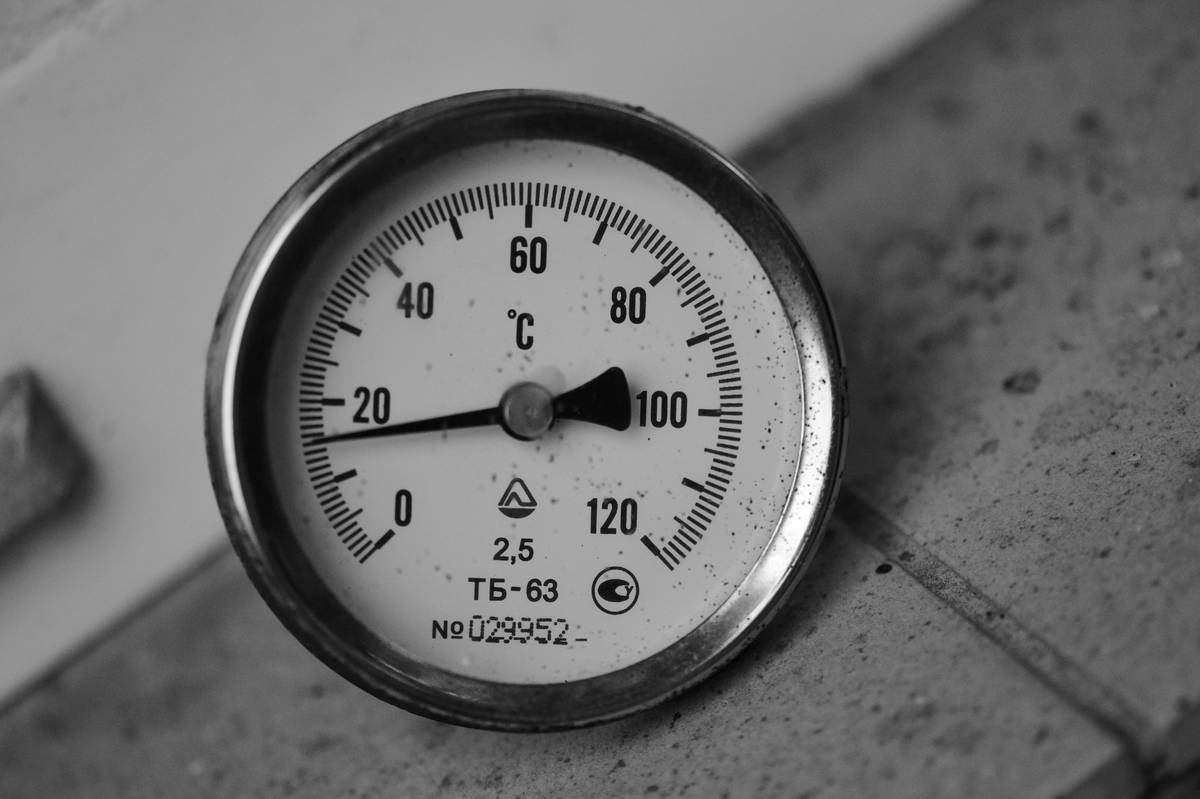
How to Clean an Analog (Glass) Candy Thermometer
- Let it cool completely. Never rinse hot glass—it can shatter.
- Scrape gently. Use a soft silicone spatula or plastic knife to lift off large sugar chunks. Don’t scratch the glass.
- Soak the bulb end ONLY. Fill a tall glass with warm water + 1 tbsp white vinegar. Submerge just the metal tip and lower stem—keep the glass tube above liquid line.
- Wipe with microfiber. After 10–15 minutes, wipe the stem with a vinegar-dampened cloth. For stubborn spots, use a paste of baking soda + water (not on the glass lens!).
- Air-dry upright. Place in a test tube rack or tall mug to dry completely before storing.
How to Clean a Digital Probe Candy Thermometer
- Remove batteries if possible. Many models (like ThermoWorks ChefAlarm) allow this to prevent moisture damage.
- Wipe probe with damp cloth. Use warm water + mild dish soap on a soft cloth. Do NOT soak the probe base or display unit.
- Disinfect with food-safe sanitizer. A quick spray of NSF-certified sanitizer (e.g., Star San) kills residual microbes without corrosion.
- Dry thoroughly. Moisture in the junction between probe and cable can cause drift over time (per ASTM E2877 calibration standards).
5 Best Practices for Long-Term Accuracy & Hygiene
“Optimist You:” These habits save your recipes!
“Grumpy You:” Fine… but I’m blaming you if my toffee turns to tar.
- Never use steel wool or abrasive pads. They scratch stainless steel probes, creating pits where bacteria hide and altering thermal conductivity.
- Recalibrate monthly. Use the ice bath method: fill a glass with crushed ice + water, stir, insert probe (without touching sides). It should read 32°F (0°C) within ±2°F. Adjust if your model allows.
- Store vertically in a protective sleeve. Laying it flat invites dust buildup on the sensor.
- Avoid dishwasher cleaning. Even “dishwasher-safe” claims are risky—detergents degrade seals over time.
- Check manufacturer specs. Brands like CDN and Taylor publish cleaning protocols online. When in doubt, email their support—they actually reply!
Case Study: My Thermometer Horror Story (and Redemption Arc)
In 2022, I tested five popular candy thermometers for a home food lab project. One analog model (name withheld to protect the guilty) arrived with faint sugar residue from factory testing. Assuming it was “seasoned,” I skipped cleaning… and paid dearly. During hard-crack testing (300°F+), the residue carbonized, fogging the entire stem. Readings jumped erratically between 298°F and 312°F—a disaster for brittle-making.
After consulting with a certified food safety specialist (yes, that’s a real job), I learned that baked-on sugar changes the thermometer’s thermal mass. The fix? A careful vinegar soak followed by recalibration using a Fluke 1523 reference thermometer (the gold standard). Post-cleaning, accuracy returned within ±0.5°F. Lesson: clean before first use—and always.
FAQs: Your Burning Questions, Answered
Can I use rubbing alcohol to clean a candy thermometer?
Only on digital probe exteriors—never on glass stems. Alcohol can degrade adhesives in analog models. Stick to vinegar or mild soap.
How often should I clean my candy thermometer?
After every single use. Sugar residues harden quickly and attract moisture, promoting microbial growth (per USDA guidelines).
What if my thermometer has a cloudy lens?
Cloudiness usually means internal condensation from improper drying. Unfortunately, most consumer models can’t be resealed. Replace it—accuracy is non-negotiable in candy making.
Is it safe to boil a candy thermometer to sterilize it?
No! Boiling can crack glass or melt digital components. Warm soapy water is sufficient for home use.
Conclusion
Knowing how to clean candy thermometer properly isn’t just about hygiene—it’s about protecting your craft, your ingredients, and your reputation as the neighborhood candy wizard. Whether you’re working with a vintage glass model or a sleek digital probe, gentle, targeted cleaning preserves calibration and ensures every batch hits the exact temperature your recipe demands.
Remember: never soak analog thermometers fully, always recalibrate after cleaning, and for the love of caramel—skip the Brillo pad. Your future self (and your fudge) will thank you.
Like a 2000s flip phone, your candy thermometer needs care but no drama. Keep it clean, keep it calibrated—and keep making magic.
Haiku break:
Sugar clings like glue
Vinegar bath sets it free
Candy dreams run true.