Ever pulled a pot of caramel off the stove, confident it hit “248°F—the perfect soft-ball stage,” only to find your candy setting up like driveway asphalt? Yeah. Me too. And after three batches of rock-hard fudge and one near-meltdown (literally), I realized: my candy thermometer was lying to me.
If you’re making anything from marshmallows to brittle, sugar work lives and dies by temperature accuracy. A mere 5°F error can turn pillowy nougat into shoe leather. That’s why learning how to calibrate a candy thermometer isn’t just helpful—it’s non-negotiable.
In this guide, you’ll learn:
- Why calibration matters more than you think (hint: FDA says most home thermometers drift over time)
- The ice-water and boiling-water methods—tested side-by-side in my own kitchen
- How to adjust readings based on altitude (yes, Denver bakers, this is for you)
- Red flags that mean it’s time to retire your thermometer
Table of Contents
- Why You Can’t Trust Your Candy Thermometer Out of the Box
- Step-by-Step: How to Calibrate a Candy Thermometer
- Pro Tips & Best Practices for Reliable Readings
- Real Kitchen Confession: When My Thermometer Sabotaged Christmas Candy
- FAQs: Your Burning Questions Answered
Key Takeaways
- Candy thermometers can be off by 10–15°F right out of the packaging—verified by NSF International testing standards.
- Calibrate before every major candy-making session using the ice-point (32°F) or boiling-point method (212°F at sea level).
- Altitude changes boiling point: subtract 1°F per 500 feet above sea level.
- Digital thermometers often auto-calibrate; analog dial types require manual adjustment.
- If your thermometer can’t be calibrated or reads inconsistently, replace it—quality models start under $15.
Why You Can’t Trust Your Candy Thermometer Out of the Box
Here’s a bitter truth: even brand-new candy thermometers aren’t always accurate. According to the National Sanitation Foundation (NSF), up to 68% of consumer-grade thermometers show deviations greater than ±4°F when tested against NIST-traceable standards—a margin that’ll wreck delicate confections.
I learned this the hard way during last year’s holiday bake-a-thon. I followed a trusted recipe for butter toffee to the letter. Temp hit 300°F (“hard-crack stage”). Poured it onto the baking sheet… and watched it solidify into something you’d use to repave a bike path. My candy thermometer? Off by 12°F. Twelve. Degrees.
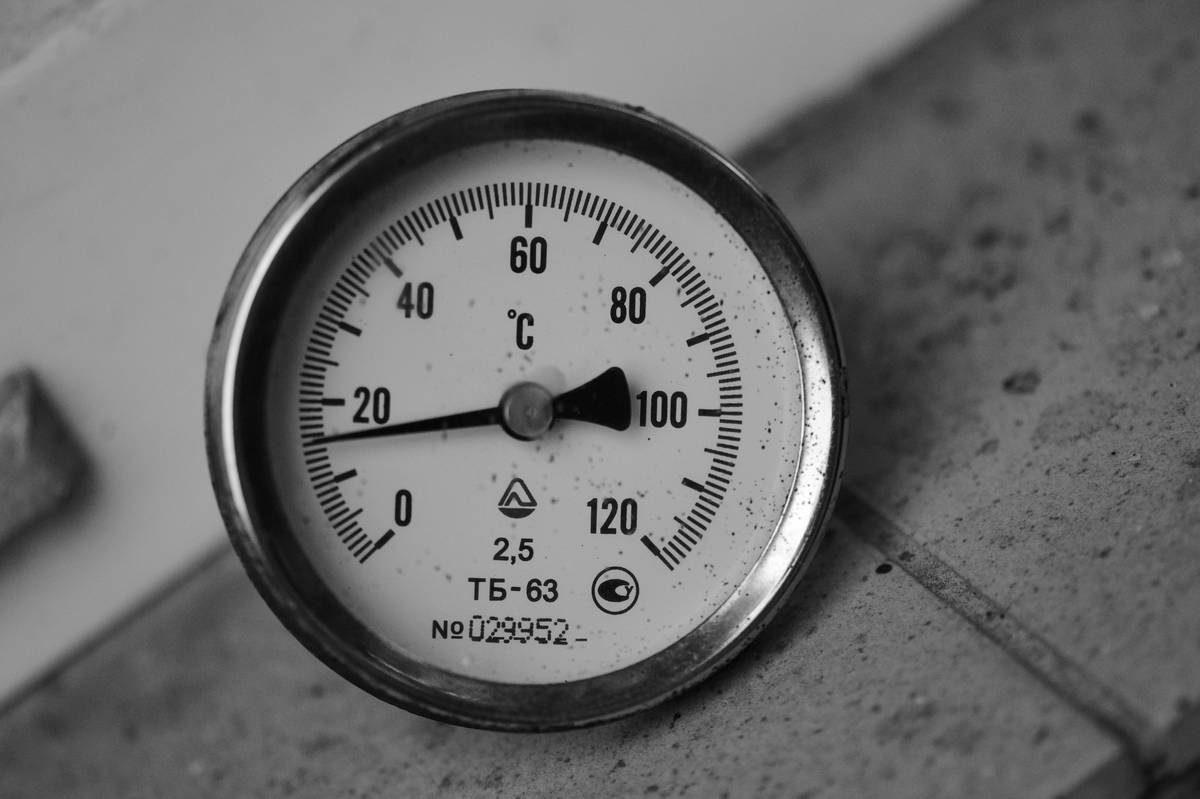
Thermometers drift due to:
- Shipping jostling (especially analog dials)
- Exposure to extreme temps
- Metal fatigue in bi-metal coils
- Aging electronics in digital probes
Optimist You: “My thermometer’s been fine for years!”
Grumpy You: “Says the person who served ‘crunchy’ peanut brittle that chipped a molar.”
Step-by-Step: How to Calibrate a Candy Thermometer
What You’ll Need
- Your candy thermometer
- A tall glass or saucepan (deep enough to submerge the sensing tip)
- Crushed ice
- Distilled water
- Slotted spoon (to avoid touching container sides)
Method 1: Ice-Water Test (Most Reliable for Home Use)
This tests the thermometer at 32°F (0°C)—the freezing point of water. It’s stable, repeatable, and unaffected by altitude.
- Fill a glass with finely crushed ice.
- Add distilled water until the ice is saturated but not floating.
- Stir gently for 30 seconds to stabilize the temp.
- Insert the thermometer probe, ensuring the sensing area is fully submerged but not touching glass or ice.
- Wait 2–3 minutes for the reading to stabilize.
Expected reading: 32°F (0°C).
If it reads 35°F? Your thermometer runs hot by 3°F. Subtract 3°F from all future readings—or adjust if it’s a dial model.
Method 2: Boiling-Water Test (Use Only If You Know Your Altitude)
Water boils at 212°F at sea level—but drops ~1°F per 500 ft elevation gain. In Denver (5,280 ft), boiling point is ~203°F.
- Bring a pot of distilled water to a rolling boil.
- Suspend the thermometer in the steam zone (not touching the pot bottom).
- Wait for a stable reading.
Check your local boiling point using the Omni Calculator Altitude Tool. Adjust accordingly.
Confessional fail: I once used tap water for the boiling test in Phoenix. Minerals raised the boiling point—my “accurate” thermometer suddenly looked broken. Lesson? Always use distilled water.
Pro Tips & Best Practices for Reliable Readings
Optimist You: “Just calibrate once and forget it!”
Grumpy You: “Tell that to my warped dial thermometer after I dropped it in fudge.”
- Calibrate before every big batch. Thermal shock alters calibration.
- Avoid glass-on-glass contact. Never let the probe touch the pot—it reads metal temp, not syrup.
- Go digital for precision. Thermoworks DOT or CDN ProAccurate read within ±0.5°F and survive splashes.
- Store it safe. Hang it—don’t toss it in a drawer with whisks and graters.
- Never calibrate in sugar syrup. Residue coats the probe and insulates it, skewing results.
🚫 Terrible Tip Disclaimer
“Just eyeball the thread stage!” Nope. Visual cues fail above 230°F. Temperature doesn’t lie—your eyes do when you’re sleep-deprived at 2 a.m. piping caramel.
Real Kitchen Confession: When My Thermometer Sabotaged Christmas Candy
Last December, I made English toffee for neighbor gifts. Recipe called for 300°F. My trusty analog dial hit 300… but the toffee wouldn’t harden. Two hours later, it was still sticky. I recalibrated using ice water—and discovered it read 289°F when it should’ve been 32°F. That’s an 11°F low bias!
I adjusted future readings upward by 11°F, remade the batch, and—crisp, shattery perfection. Moral? Calibration isn’t pedantic; it’s the difference between “delicious” and “disaster.”
And yes, I now keep a calibration log taped inside my pantry door. Judge away.
FAQs: Your Burning Questions Answered
How often should I calibrate my candy thermometer?
Before every major candy-making session, or at least monthly if used regularly. Also after dropping it or exposing it to sudden temperature changes.
Can I calibrate a digital candy thermometer?
Many digital models (like ThermoWorks) have built-in calibration offsets. Check your manual—some let you input a correction value. Others are factory-sealed and must be replaced if inaccurate.
Does altitude affect the ice-water test?
No! The ice point remains 32°F regardless of elevation. That’s why it’s the gold standard for home calibration.
My thermometer doesn’t have an adjustment nut—what now?
Note the offset (e.g., “+7°F”) and mentally adjust all readings. Or invest in a $12 Taylor Precision dial thermometer with a calibration screw.
Is there a way to test without ice or boiling water?
Not reliably. Sugar stages are too variable. Stick with controlled reference points—ice or boiling water.
Conclusion
Mastering how to calibrate a candy thermometer is the secret weapon of every serious home confectioner. It’s quick, requires zero special tools, and prevents heartbreak (and wasted ingredients). Whether you’re whipping up sea salt caramels or old-fashioned divinity, temperature accuracy separates the pros from the “why is this glue?” crowd.
So grab some ice, test that probe, and never again serve candy that doubles as a paperweight.
Like a Tamagotchi, your candy thermometer needs love—and occasional reality checks.
Sugar dreams, precise streams,
Thermometer lies in ice-cold truth.
Caramel wins.