Ever pulled a batch of caramel out of the pot only to find it’s rock-hard shards instead of silky ribbons? Or worse—sticky goo that never sets, no matter how long it chills? You followed the recipe to the letter. You stirred like your grandma taught you. But something went wrong. Spoiler: It wasn’t your technique. It was your thermometer.
If you’re diving into the candy making process without a reliable candy thermometer, you’re basically flying blind in a sugar storm. This post cuts through the fluff and gives you the real deal: why temperature control is non-negotiable, how to choose and use a candy thermometer like a pro, and what pitfalls even experienced home cooks fall into (yes, I’ve cried over burnt brittle too).
You’ll learn:
- Why the candy making process lives or dies by precise temperatures
- How to pick the right candy thermometer for fudge, caramel, toffee, and more
- Step-by-step calibration and usage tips that actually work
- Real-world mistakes (and recoveries) from 10+ years of candy disasters
Table of Contents
- Why Does Temperature Matter So Much in Candy Making?
- Step-by-Step: Using a Candy Thermometer Correctly
- 5 Best Practices That Prevent Sticky (or Brittle) Disasters
- Case Study: How One Wrong Degree Ruined My Holiday Fudge
- Candy Thermometer FAQs
Key Takeaways
- Sugar stages—from thread to hard crack—are defined by exact temperature ranges, not time or visual cues alone.
- Candy thermometers must be calibrated; even “new” ones can read 5–10°F off, which ruins outcomes.
- Digital instant-read thermometers aren’t ideal for continuous monitoring during boiling; clip-on analog or digital probe types are better.
- Never let the thermometer bulb touch the pot bottom—that gives false, inflated readings.
- The USDA and FDA both emphasize accurate temperature control in food safety, especially for high-sugar preserves and confections.
Why Does Temperature Matter So Much in Candy Making?
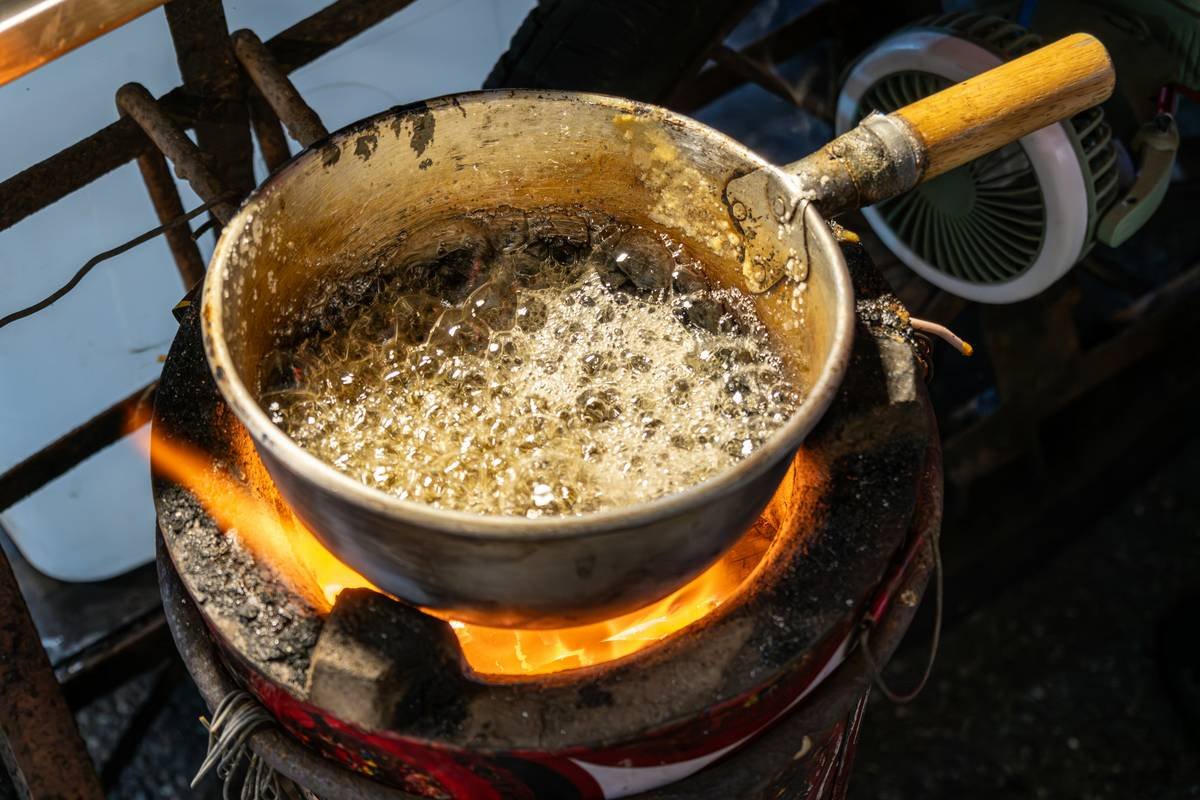
Here’s the truth most cookbooks gloss over: sugar doesn’t “cook.” It transforms. At 230°F, it’s soft ball stage—perfect for fudge. At 300°F? Hard crack—hello, lollipops. Miss that window by just 5 degrees, and your caramels turn grainy or won’t set. According to Harold McGee’s On Food and Cooking, sucrose solutions undergo structural changes at specific thresholds, dictating final texture.
I learned this the hard way during my first holiday candy swap. I used a $7 grocery-store thermometer that hadn’t been calibrated. My “soft ball” fudge hit 242°F—technically firm ball—and came out dense as a doorstop. Guests smiled politely while hiding chunks in napkins. Mortifying.
This isn’t just about aesthetics. Undercooked syrup can harbor moisture that breeds mold. Overheated sugar scorches, creating bitter compounds (and potential acrylamide concerns, per FDA guidance on high-temp cooking). The candy making process demands precision—not guesswork.
Step-by-Step: Using a Candy Thermometer Correctly
How do I set up my candy thermometer without messing up?
Optimist You: “Just clip it on and stir!”
Grumpy You: “Ugh, fine—but only if coffee’s involved… and you promise not to touch the pot bottom.”
Here’s the actual method that works:
- Calibrate First. Fill a pot with water, bring to a rolling boil (212°F at sea level). Insert thermometer—if it reads anything other than 212°F, note the offset. Adjust future readings accordingly—or return it.
- Clip It Right. Attach the thermometer so the bulb is fully submerged in syrup but not touching the pot bottom or sides. Contact with metal skews results by 10–20°F.
- Stir Gently Early, Then Stop. Stir until sugar dissolves (to prevent crystallization), then don’t stir again. Agitation after boiling triggers premature crystallization—grainy fudge alert!
- Watch—Don’t Walk Away. Sugar temps rise fast past 250°F. Set a timer, mute your phone, and stay present. A 30-second distraction can mean burnt toffee.
- Cool Safely. Once target temp is reached, remove from heat immediately. Place pot in cold water bath to halt cooking if needed (great for delicate caramels).
5 Best Practices That Prevent Sticky (or Brittle) Disasters
Wait—can’t I just use the cold water test instead?
Optimist You: “It’s traditional! Just drop syrup in ice water and check the shape!”
Grumpy You: “Traditional ≠ reliable. My fingers got scalded three times before I upgraded.”
Honestly? The cold water test is romantic but risky. Modern kitchens demand tools that reduce variables. Stick with these evidence-backed best practices:
- Choose the right type: Clip-on dial thermometers (like Taylor Precision) or digital probe models (ThermoWorks ChefAlarm) are ideal. Instant-reads? Only for spot checks.
- Account for altitude: Water boils below 212°F above 1,000 ft elevation. For every 500 ft, subtract ~1°F from target candy temps. (Source: National Center for Home Food Preservation)
- Clean gently: Never immerse analog thermometers fully—they’re not waterproof. Wipe with a damp cloth.
- Replace every 2–3 years: Mercury-free liquid or digital sensors degrade. If readings drift during calibration, retire it.
- Use a light-colored pot: Dark pans hide color changes in caramelizing sugar. Combine visual + thermal cues for perfect amber hue.
⚠️ Terrible Tip Alert:
“Just eyeball it—you’ll get the hang of it!” Nope. Sugar chemistry doesn’t care how many Instagram reels you’ve watched. Without accurate temps, you’re gambling with hours of work.
Rant Section: My Niche Pet Peeve
Why do brands still sell “candy thermometers” that max out at 220°F? That’s barely thread stage! Toffee needs 300°F+. If your tool can’t measure your goal, it’s decoration—not equipment.
Case Study: How One Wrong Degree Ruined My Holiday Fudge
Last December, I prepped 12 pounds of fudge for neighbors. Used my go-to recipe: 2 cups sugar, ⅔ cup evaporated milk, butter, vanilla. Target: 238°F (firm ball). My trusty ThermoWorks read 238°F—but unbeknownst to me, its battery was dying.
Result? Fudge that oozed like pudding after cutting. Turns out, it only hit 232°F. Not enough sugar concentration to set. Total loss: $28 in ingredients, 3 hours of labor, and my reputation as the “fudge aunt.”
Lesson? Even premium tools fail. Now I calibrate before every major batch—and keep spare batteries.
Candy Thermometer FAQs
Can I use a meat thermometer for candy making?
Only if it measures up to 400°F and has a clip. Most meat probes top out at 220°F—useless for candy.
Why does my candy grain sometimes?
Undissolved sugar crystals on the pan wall fall back in and seed crystallization. Use a wet pastry brush to wash down sides early in cooking.
Do digital thermometers need calibration?
Yes. All thermometers drift over time. Boiling water (212°F) and ice water (32°F) tests are quick verification methods.
What’s the best candy thermometer under $30?
Taylor Classic Candy/Deep Fry Thermometer ($12) offers durability and range (100–400°F). For digital, ThermoPro TP03 (~$25) is reliable.
Conclusion
The candy making process isn’t magic—it’s chemistry. And like any science, it thrives on precision. A quality, calibrated candy thermometer isn’t an optional gadget; it’s your co-pilot in transforming sugar, heat, and patience into glossy caramels, creamy fudge, and shatter-crisp toffee.
Stop trusting luck. Start trusting data. Your next batch—and your taste-testers—will thank you.
Like a Tamagotchi, your candy dreams need daily attention… and the right tools to thrive.
Steam rising slow
Sugar sings at two-thirty-eight—
Joy in a tin.