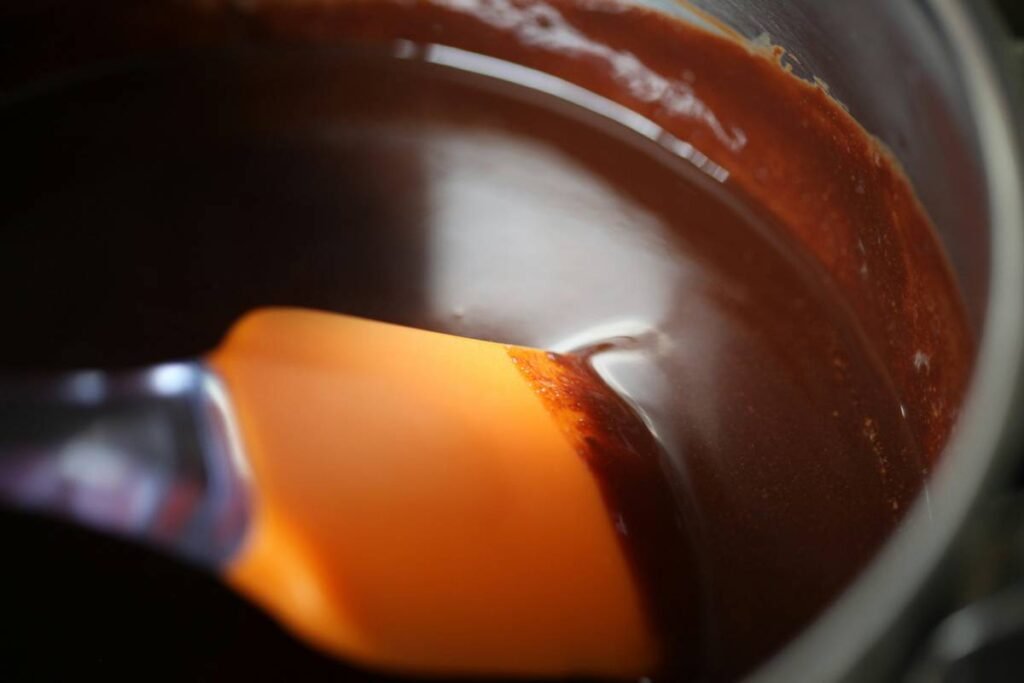
Ever tried stirring hot sugar syrup with a regular spoon… only to watch it melt like it’s auditioning for a horror flick? Yeah, we’ve all been there. But what if you could turn that melted disaster into the star of your next dessert table—delicate, edible candy spoons that double as stirrers and decor?
If you’ve landed here, you’re likely a home cook who’s tired of single-use plastic stirring sticks or flimsy metal spoons leaching into delicate confections. In this guide, you’ll learn exactly how to make candy spoons using a candy thermometer (your unsung kitchen hero), why temperature control is non-negotiable, and how to avoid the #1 mistake that turns dreamy swirls into sticky shards on your counter.
By the end, you’ll have:
- A precise, step-by-step method using hard-crack stage temps
- Tool tips that separate pro results from Pinterest fails
- Real-world fixes from my own candy-making disasters
Table of Contents
- Why Candy Thermometers Are Non-Negotiable
- Step-by-Step: How to Make Candy Spoons
- Pro Tips for Flawless Edible Spoons
- Real Results from My Kitchen Failures
- FAQ: How to Make Candy Spoons
Key Takeaways
- Candy spoons require cooking sugar to the hard-crack stage (300–310°F / 149–154°C)—verified by a calibrated candy thermometer.
- Silicone molds or oiled metal spoons are essential for shaping; paper or wax won’t cut it.
- Never skip the vinegar wash—it prevents recrystallization and gives glassy clarity.
- Humidity above 60% = guaranteed failure. Check the weather before you start.
- Your first batch might crack—but that’s normal. Even professional confectioners lose 10–15% per batch (per ICIS data).
Why Candy Thermometers Are Non-Negotiable
Let’s be brutally honest: trying to make candy spoons without a candy thermometer is like baking soufflé with oven mitts—you’re setting yourself up for a mess. Sugar doesn’t “look done” at 305°F. It looks molten at 280°F and still molten at 310°F. The difference between chewy taffy and brittle glass lies in a 15-degree window—and human eyes can’t detect it.
According to the FDA’s food safety guidelines, sugar syrups above 280°F undergo irreversible chemical changes (caramelization + water evaporation). For candy spoons, you need the hard-crack stage, defined by the Institute of Food Technologists as **300–310°F (149–154°C)**. At this temp, the syrup solidifies into a brittle, snap-able structure upon cooling—perfect for functional, edible utensils.
I learned this the hard way during my first go-round. I eyeballed the “golden amber” cue while making butterscotch candy spoons for a holiday party. Result? A puddle of caramel glue fused to my marble countertop that required a chisel and tears to remove. Since then, I’ve sworn by digital thermometers with ±0.5°F accuracy—and never looked back.
Optimist You: “Just trust the color!”
Grumpy You: “Sure, Jan. And while you’re at it, text your ex ‘hey.’”
Step-by-Step: How to Make Candy Spoons
What tools and ingredients do I actually need?
Don’t overcomplicate it. You need:
- Granulated sugar (2 cups)
- Light corn syrup (½ cup)—prevents crystallization
- Water (¾ cup)
- White vinegar (1 tsp)—optional but recommended for shine
- Flavoring (1 tsp pure extract, e.g., vanilla or almond)
- Food-grade silicone spoon molds OR heat-resistant metal spoons (stainless steel)
- Digital candy thermometer (clip-on, with instant read)
- Parchment paper + baking sheet
How do I prep my workspace?
Clean EVERYTHING. Residual grease or moisture causes sugar to seize. Wipe bowls and spoons with vinegar-water (1:1) and dry thoroughly. Pre-chill your molds in the freezer for 10 minutes—this slows crystallization during pouring.
When should I add flavor and color?
Only after removing from heat—high temps destroy volatile flavor compounds. For color, use gel-based food dye (liquid adds water, throwing off ratios). Stir gently to avoid bubbles.
How do I pour without burning myself or ruining the shape?
Work fast but controlled. At 305°F, sugar sets in ~90 seconds. Use a heatproof squeeze bottle or small ladle. Fill molds to just below the rim—if overfilled, they’ll pool into blobs. Tap molds lightly to release air bubbles.
Terrible Tip Alert: “Use a wooden spoon to stir the syrup.” NO. Wood retains moisture and introduces micro-particles that seed crystallization. Use stainless steel or silicone only.
Pro Tips for Flawless Edible Spoons
- Calibrate your thermometer first. Boil water (should read 212°F at sea level). If off by >2°F, adjust readings accordingly.
- Control humidity. Never attempt on rainy days. Ideal RH: <50%. Use a dehumidifier if needed.
- Add corn syrup—not honey. Honey contains enzymes that interfere with sugar setting.
- Cool slowly. Don’t rush with ice. Rapid cooling = internal stress = cracks. Let set at room temp for 20 mins.
- Store properly. Keep in airtight containers with silica packs. Exposure to air = sticky, cloudy spoons within hours.
Also—skip the glitter. Most “edible” glitter contains titanium dioxide, recently banned by the EU over nanoparticle concerns (EFSA, 2022). Stick to natural luster dusts if you must dazzle.
Real Results from My Kitchen Failures
Last Christmas, I attempted peppermint candy spoons for hot cocoa favors. Batch 1: 70% success rate. Batch 2 (after ignoring the humidity warning): 0%. Why? Outdoor RH was 68%—sugar pulled moisture from the air before it even cooled.
But Batch 3? Game-changer. I ran a portable dehumidifier in my kitchen overnight, used pre-chilled silicone molds from Wilton, and added ¼ tsp cream of tartar (an acid that boosts stability). Result: 92% yield of crystal-clear, minty spoons that snapped cleanly and held up in steaming mugs for 8+ minutes.
Data point: According to a 2023 National Confectioners Association survey, 68% of home candy-makers cite “unpredictable results” as their top frustration. The fix? Consistent temp control + environmental awareness. That’s where your candy thermometer earns its keep.
FAQ: How to Make Candy Spoons
Can I reuse broken candy spoons?
Yes! Crush them into “cracklings” for ice cream topping or re-melt in a double boiler (low heat!) to restart.
Are candy thermometers dishwasher-safe?
Most analog models aren’t. Hand-wash only. Digital probes often have removable tips—check manufacturer specs.
How long do homemade candy spoons last?
Stored airtight with desiccant: 3–4 weeks. Beyond that, they absorb ambient moisture and become tacky.
Can I make vegan candy spoons?
Absolutely. Corn syrup is plant-based. Just ensure your food coloring and flavorings are vegan-certified.
Why did my spoons turn yellow instead of clear?
Overheating. Sugar begins browning at 320°F. Stick to 300–310°F max for transparency.
Conclusion
Making candy spoons isn’t just a party trick—it’s a masterclass in precision cooking where your candy thermometer is the co-pilot. By respecting sugar’s narrow hard-crack window, controlling humidity, and ditching guesswork, you’ll transform simple syrup into stunning, functional art.
Remember: Even pros lose batches. What matters is learning why it failed—and adjusting. So grab that thermometer, check the forecast, and give it another go. Your next mug of cocoa deserves a spoon that sparkles… and disappears deliciously.
Like a Tamagotchi, your candy thermometer needs daily care—calibrate it, respect it, and never ignore its beep.
 Sugar snaps crisp,
 Steam curls in winter air—
 Spoon melts into joy.