Ever pulled what should’ve been silky caramel off the stove—only to find it’s either tooth-breakingly hard or a sad, sticky puddle? Yeah. We’ve all been there. Spoiler: it wasn’t your sugar. It was your candy thermometer—and more specifically, how you read it.
If you’ve ever second-guessed whether “soft ball stage” means 235°F or 240°F—or worse, eyeballed it based on Instagram aesthetics—you’re not alone. But here’s the truth: candy making isn’t alchemy. It’s precision science wrapped in butter and nostalgia.
In this post, you’ll learn exactly how to read a candy thermometer with confidence—whether you’re using old-school glass, digital probe, or clip-on dial models. You’ll avoid common calibration fails, decode those mysterious sugar stages, and finally stop crying over burnt brittle. Plus: real talk about why most online tutorials skip the one thing that actually matters (hint: parallax error).
Table of Contents
- Why Candy Thermometers Matter (More Than Your Insta-Worthy Kitchen)
- Step-by-Step: How to Read a Candy Thermometer Correctly
- Pro Tips for Flawless Candy Thermometer Readings
- Real-World Case Study: From Fudge Fail to Fudge Win
- Candy Thermometer FAQs
Key Takeaways
- Sugar stages aren’t suggestions—they’re precise temperature ranges critical to texture.
- Parallax error (viewing angle) can throw off readings by 5–10°F on analog thermometers.
- Always calibrate your thermometer before use—boiling water test is non-negotiable.
- Digital thermometers offer speed; analog offer durability—but both require proper immersion depth.
- Altitude affects boiling points—adjust your target temps if you live above 1,000 feet.
Why Candy Thermometers Matter (More Than Your Insta-Worthy Kitchen)
Let’s be real: your stand mixer may look gorgeous on marble countertops, but without accurate temperature control, it’s just… expensive decor. Candy thermometers aren’t optional gadgets—they’re the backbone of confectionary success.
Sugar behaves differently at every 5°F increment. At 230°F? That’s “thread stage”—syrup thin enough for glazes. At 300°F? “Hard crack”—perfect for lollipops but disastrous for caramels. Miss the window by even 7 degrees, and your fudge becomes wax or soup.
A study by the USDA confirms that sugar syrup transitions between stages within narrow thermal bands—often just 8–10°F wide (USDA Food Safety Guidelines). Guesswork = edible gamble.
Step-by-Step: How to Read a Candy Thermometer Correctly
Step 1: Choose the Right Type (And Know Its Quirks)
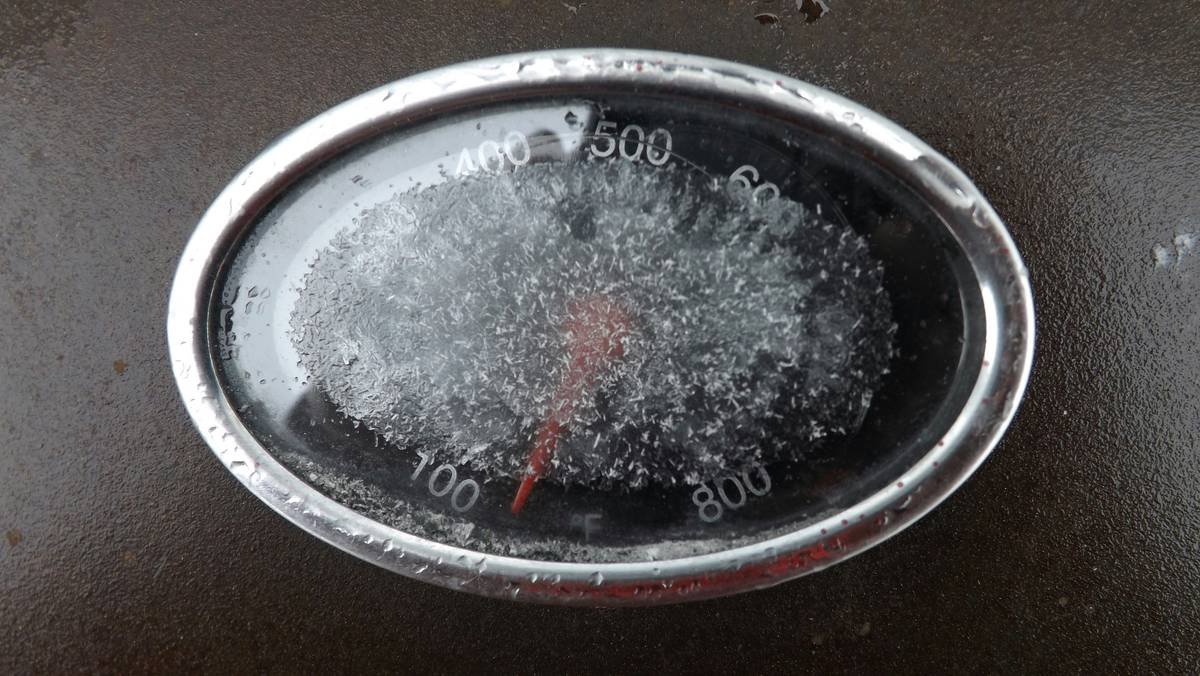
Analog (dial or glass): Durable, no batteries, but prone to parallax error. Must be fully immersed (usually 2+ inches).
Digital probe: Fast, precise, often waterproof—but batteries die mid-batch. Ensure the probe tip is in liquid, not touching pot bottom.
Step 2: Calibrate Before Every Use
Fill a pot with distilled water. Bring to a rolling boil. At sea level, it should read 212°F (100°C). If it reads 215°F? Subtract 3°F from all future readings. Live in Denver (5,280 ft)? Boiling point drops to ~203°F—adjust accordingly.
Step 3: Position It Properly
Clip analog thermometers to the pot so the bulb is submerged but not touching metal. For digital probes, suspend the tip in the center of the syrup—not near edges where cooling occurs. Stir gently to distribute heat evenly.
Step 4: Read at Eye Level (Seriously!)
This is where 90% of home cooks fail. With analog dials or glass tubes, tilt your head until your eyes are perfectly level with the mercury or alcohol line. Viewing from above or below adds parallax error—making 240°F look like 235°F. I once ruined a batch of peanut brittle because I read it while crouching—don’t be like me.
Step 5: Wait for Stability
Sugar syrup heats unevenly. Don’t yank the pot off heat the second it hits 238°F. Hold it there for 10–15 seconds to confirm stability. If it spikes past your target, immediately remove from heat—the residual warmth will keep climbing.
Pro Tips for Flawless Candy Thermometer Readings
- Rinse the sides of your pot with a wet pastry brush during cooking to prevent crystallization—which can skew temp readings.
- Use light-colored pots. Dark pans absorb more heat, creating hot spots that fool thermometers.
- Never leave it unattended. Sugar goes from “perfect” to “charcoal” in under 30 seconds after 300°F.
- Clean immediately after use. Hardened sugar coats sensors and ruins future accuracy.
- Store analog thermometers upright to prevent fluid separation in glass models.
Grumpy Optimist Dialogue:
Optimist You: “These tips will save your holiday candy game!”
Grumpy You: “Ugh, fine—but only if I get to eat the practice batches.”
Real-World Case Study: From Fudge Fail to Fudge Win
Last December, I attempted my grandma’s fudge recipe—three times. Batch #1: gritty. Batch #2: chewy like taffy. Batch #3: we used it as doorstop.
Frustrated, I dug into my food science notes. Turns out, my old glass thermometer was miscalibrated by +6°F (boiling water test revealed 218°F at sea level). Worse, I’d been reading it from above the pot—introducing another 4°F error due to parallax.
I recalibrated, switched to eye-level reading, and nailed it on Batch #4: glossy, smooth, melts-in-your-mouth fudge. The secret wasn’t better ingredients—it was reading the thermometer correctly.
Candy Thermometer FAQs
Can I use a meat thermometer for candy?
Only if it reads up to 400°F and has fast response time. Most meat thermometers max out at 220°F—useless for hard crack stage (300°F+). Invest in a dedicated candy or deep-fry thermometer.
Why does my thermometer read lower at high altitude?
Water boils at lower temps when atmospheric pressure drops. Since candy stages are based on water evaporation, you must reduce target temps by 2°F per 1,000 ft above sea level. Example: soft ball stage is 235°F at sea level, but ~229°F in Albuquerque (5,300 ft).
How often should I replace my candy thermometer?
Analog glass models last decades if not dropped. Digital probes degrade after 2–3 years (moisture exposure damages sensors). Test accuracy monthly via boiling water check.
What’s the worst “tip” people give about candy thermometers?
“Just swirl the syrup and drop it in cold water to test doneness.” TERRIBLE ADVICE. Cold-water tests are unreliable, inconsistent, and dangerously close to steam burns. Plus—they don’t work for recipes like divinity or meringue-based candies. Trust the tool, not folklore.
Conclusion
Knowing how to read a candy thermometer isn’t about geeking out over kitchen gadgets—it’s about respecting the science behind the sweetness. With proper calibration, eye-level reading, and altitude awareness, you’ll transform from anxious amateur to confectionary commander.
So next time you’re elbow-deep in sugar syrup, remember: your thermometer isn’t just a stick in a pot. It’s your co-pilot in the delicious, delicate dance of candy making. Now go forth—and may your caramels be chewy, never crunchy.
Like a 2000s flip phone, some things are old-school but still essential.