Ever spent 45 minutes stirring caramel only to pour it onto your baking sheet… and watch it harden into brittle shards or, worse, a sticky, un-chewable puddle? You followed the recipe to the letter. You used organic butter, real vanilla—everything. But without one humble tool, all that effort evaporates like steam from boiling sugar: the cooking candy thermometer.
If you’ve ever cursed your kitchen after a fudge flop or rock-hard toffee disaster, this post is your redemption arc. We’ll explore why precise temperature control isn’t just “chef-y” advice—it’s the law of candy physics. You’ll learn how to choose the right cooking candy thermometer, avoid common calibration blunders, and master key stages like soft-ball or hard-crack with confidence.
Table of Contents
- Why Sugar Temperature Dictates Candy Destiny
- How to Pick the Perfect Cooking Candy Thermometer
- 5 Non-Negotiable Best Practices for Accurate Readings
- Real Kitchen Wins: When Precision Pays Off
- Frequently Asked Questions About Cooking Candy Thermometers
Key Takeaways
- Sugar transforms at specific temperatures—deviate by even 2°F and you alter texture forever.
- Digital instant-read thermometers are fast but not ideal for continuous monitoring; analog clip-ons win for long boils.
- Always calibrate your cooking candy thermometer before first use—and recheck monthly.
- Immersion depth matters: submerge the probe tip fully in liquid, but never touch the pot bottom.
- Stainless steel pots + high-sugar syrups = scorch risk; use heavy-bottomed cookware for even heat.
Why Sugar Temperature Dictates Candy Destiny
Here’s the cold, sticky truth: candy isn’t made—it’s engineered. Sugar syrup goes through seven scientifically defined stages between 230°F (soft ball) and 310°F (hard crack). At each stage, water content drops, crystal formation shifts, and texture is permanently set upon cooling. Miss your target by 5°F? Your caramels become taffy. Go 10° too high? Hello, dental emergency.
I learned this the hard way during my first batch of sea salt caramels. Confident in my “eyeball method,” I pulled the pot off at what looked like the right viscosity. Two hours later, I was chiseling amber shards out of parchment paper while my dog gave me a pitying stare. Turns out, soft-ball stage begins at precisely 235°F—not “when it looks kinda thick.”
According to the Institute of Food Technologists, sugar concentration directly correlates with boiling point elevation—a phenomenon called *boiling point rise*. That’s why recipes list exact temps: they account for moisture loss under standard conditions. Guesswork? That’s just expensive kitchen alchemy.
How to Pick the Perfect Cooking Candy Thermometer
What types actually work for candy-making?
Not all thermometers are created equal. Let’s break down your options:
- Analog clip-on dial thermometers: The gold standard for sugar work. Brands like Taylor or Polder offer ranges up to 400°F, stainless steel construction, and easy pot attachment. Slow to read? Yes—but unbeatable for steady monitoring during long boils.
- Digital instant-read probes: Great for spot-checks (like testing meat), but terrible for candy. You can’t leave them clipped in boiling syrup—they’ll melt or short-circuit.
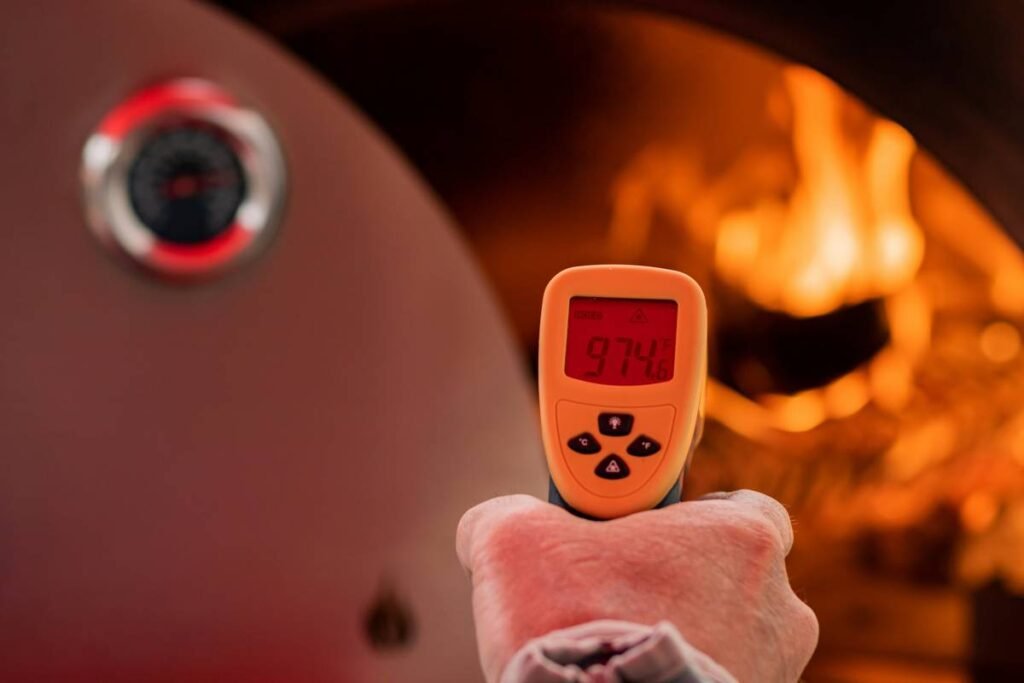
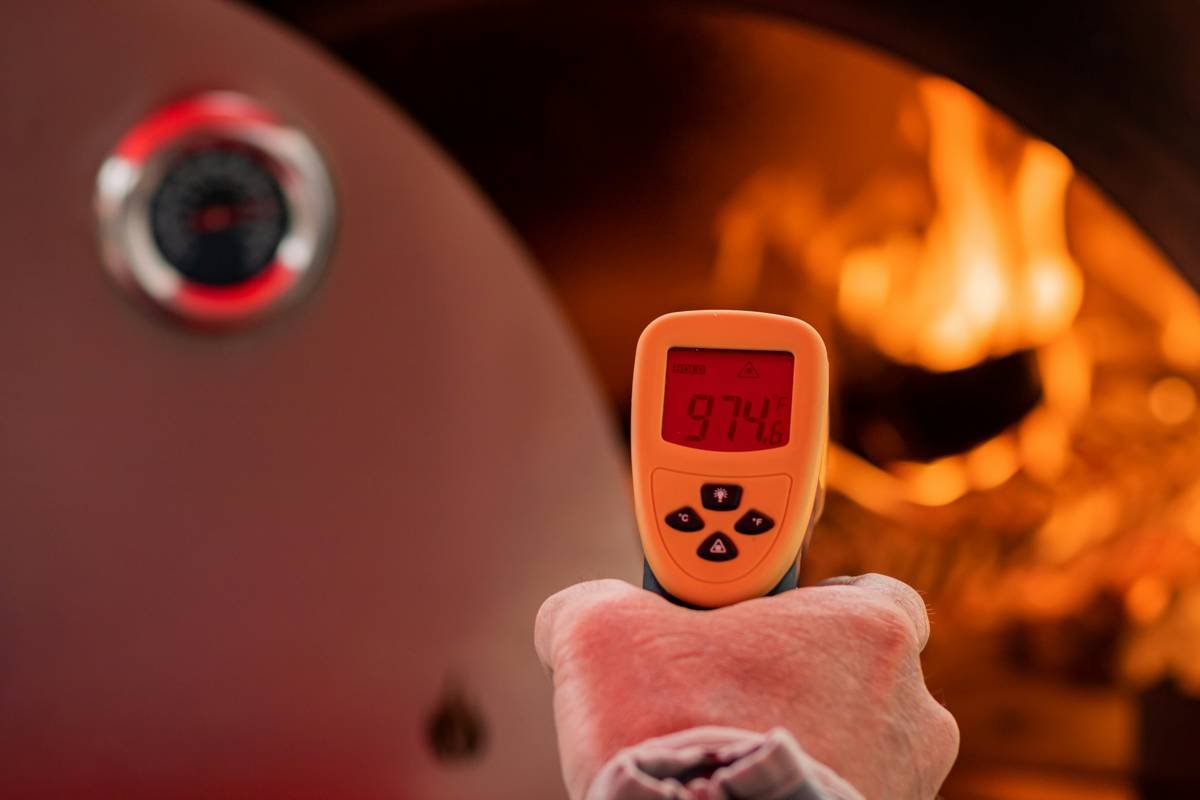
- Infrared (IR) guns: Useless here. They measure surface temp only, not the liquid core where candy magic happens.
Optimist You:
“Just buy the cheapest one on Amazon!”
Grumpy You:
“Ugh, fine—but only if you enjoy recalibrating every Tuesday and crying over crystallized fudge. Spend $15–$25 on a reputable brand. Your future self (and your dentist) will thank you.”
5 Non-Negotiable Best Practices for Accurate Readings
- Calibrate before first use: Fill a pot with ice water (not just cold tap!). A true 32°F reading confirms accuracy. If it’s off, adjust via the nut behind the dial—or return it.
- Clip correctly: Attach the thermometer so the probe tip is fully submerged in syrup but not touching the pot bottom. Contact with metal gives false highs.
- Avoid steam interference: Position the thermometer away from direct steam jets—it can fog lenses or skew digital sensors.
- Watch for lag time: Analog dials take 30–60 seconds to stabilize. Don’t yank the pot off heat the second it hits 238°F—wait for consistency.
- Clean immediately post-use: Boiling sugar hardens like concrete. Soak in warm water before scrubbing to preserve calibration integrity.
Terrible Tip Disclaimer:
“Just use your phone’s weather app to guess the kitchen temp.” Nope. That’s like navigating with a compass made of licorice. Don’t do it.
Real Kitchen Wins: When Precision Pays Off
Last December, my neighbor Sarah—a self-proclaimed “candy klutz”—attempted bourbon pecan pralines using her new Polder cooking candy thermometer. She’d failed three times prior, blaming “bad nuts” or “humid air.” This time, she calibrated it, clipped it properly, and held at 236°F exactly. Result? Glossy, chewy pralines that vanished at her office party in under 10 minutes. She texted me: “It’s like the thermometer whispered secrets to the sugar.”
Professional kitchens rely on this precision daily. At Chicago’s famed Margie’s Candies, head confectioner Lena Ruiz told Bon Appétit (2023): “We log every batch’s peak temp. Even 1°F drift means reworking the formula. Our customers expect velvet-smooth fudge—not gravel.”
Frequently Asked Questions About Cooking Candy Thermometers
Can I use a meat thermometer for candy?
Only if it’s rated above 300°F and designed for liquid immersion. Most meat thermometers max out at 220°F—way too low for hard-crack stage (310°F). Check your manual!
How often should I replace my cooking candy thermometer?
Every 2–3 years with regular use. If readings drift during ice-water tests, retire it immediately.
Why does my candy crystallize even with a thermometer?
Temperature isn’t the only factor. Stirring after sugar dissolves, undissolved granules on pot walls, or impurities (like undissolved cream) can seed crystals. Always wash down sides with a wet pastry brush during initial boil.
Are digital candy thermometers worth it?
High-end models like ThermoWorks ChefAlarm (with waterproof probes) work well—but cost $100+. For home use, a $20 analog dial offers better value and reliability.
Conclusion
A cooking candy thermometer isn’t just another gadget—it’s your sugar’s co-pilot. Whether you’re crafting delicate spun sugar or chewy caramels, that little dial bridges the gap between hope and perfection. Remember: calibrate it, clip it right, and trust the number—not your eyes. Because in candy land, 2°F is the difference between “wow” and “what even is this?”
Now go rescue your next batch before it turns into edible geology.
Like a Tamagotchi, your candy dreams need constant attention—and a reliable thermometer.
Hard crack achieved—
Sugar bows to science now.
No more chipped teeth.