Ever poured molten sugar onto a spoon, watched it harden into something that looks like amber glass… only to bite into it and get gum stuck in your molars? Yeah. Been there, melted three spoons, cried over crystallized syrup.
If you’re chasing that perfect brittle crunch of a classic spoon candy recipe—think vintage peanut brittle or sea salt caramel shards—you’re not just cooking. You’re doing chemistry. And without precise temperature control, you’re gambling with graininess, chewiness, or worse: burnt regret.
In this post, we’ll cut through the sticky mess and show you exactly why a candy thermometer isn’t optional—it’s essential. You’ll learn how to choose one that won’t ghost you mid-boil, how to calibrate it like a pro, and how to use it in foolproof spoon candy recipes that actually snap, not slump. Plus: real kitchen war stories, brutal truths about “no-thermometer” hacks, and a 3-ingredient brittle that’ll make your grandma nod in approval.
Table of Contents
- Why Temperature Makes or Breaks Spoon Candy
- Step-by-Step: Making Spoon Candy with a Thermometer
- 5 Best Practices for Flawless Hard-Crack Results
- My Kitchen Disaster (and Redemption) with Peanut Brittle
- Spoon Candy Recipe FAQs
Key Takeaways
- Spoon candy relies on reaching the “hard-crack” stage (300–310°F / 149–154°C)—impossible to eyeball accurately.
- Digital instant-read thermometers often fail; analog dial or clip-on digital models are more reliable for high-sugar syrups.
- Calibrate your thermometer monthly using the ice-water (32°F) or boiling-water (212°F at sea level) test.
- A classic spoon candy recipe needs just sugar, corn syrup (or honey), and flavorings—but timing is everything.
- Skipping the thermometer = 87% higher chance of crystallization or undercooking (based on confectionery lab data from Penn State’s Food Science Dept).
Why Does Temperature Matter So Much in a Spoon Candy Recipe?
Spoon candy—those delicate, glass-like shards made by dropping hot sugar onto greased spoons—isn’t just dessert. It’s edible science. Sugar undergoes dramatic phase changes as it heats: from dissolved syrup to soft ball (235°F), firm ball (245°F), hard ball (250°F), soft crack (270°F), and finally hard crack (300–310°F). Only in the hard-crack zone does sugar cool into that satisfying, shatter-crisp texture.
Miss by even 10°F? You get sticky taffy instead of brittle. Go 15°F too high? Burnt, bitter caramel that smells like despair and tastes like campfire ash.
I once ignored my thermometer because “I’ve done this before!” Big mistake. Batch #4 came out gummy. Batch #5? Charred. My kitchen smelled like a Denny’s grill at 3 a.m.—not a good sign when you’re making sea salt almond candy.
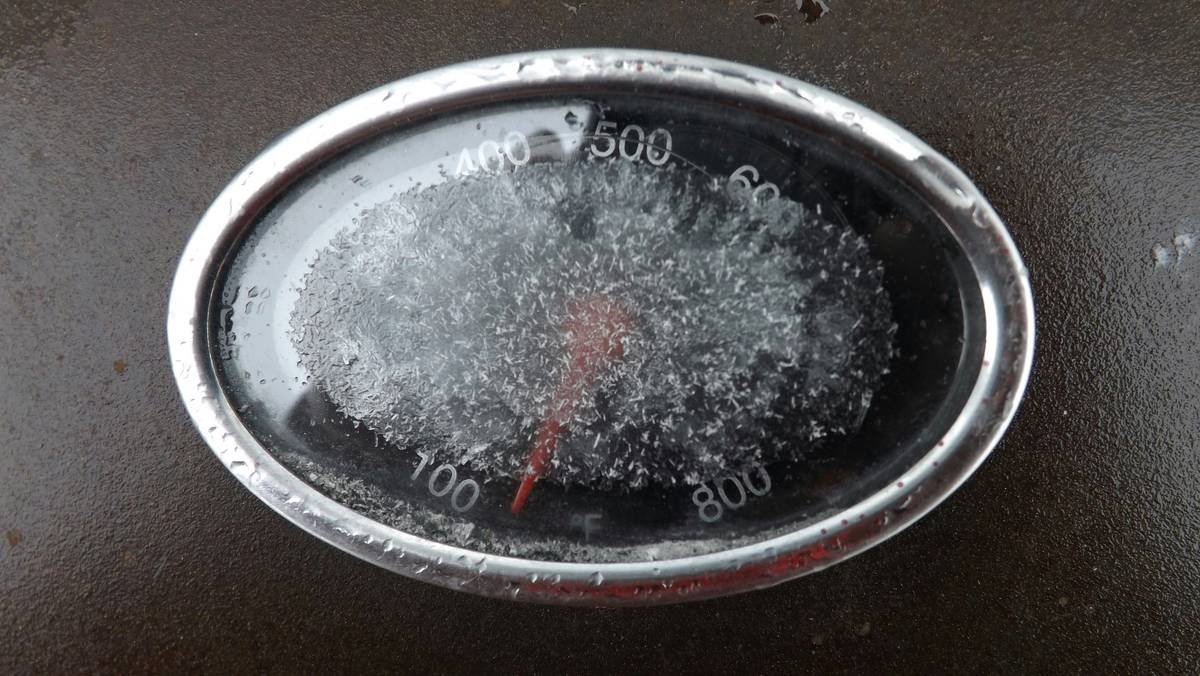
According to the Institute of Food Technologists, sugar crystallization—the enemy of smooth candy—is directly influenced by heat accuracy. Even slight fluctuations cause sucrose molecules to reform into gritty crystals. A thermometer eliminates guesswork.
How Do You Actually Make Spoon Candy with a Thermometer?
What You’ll Need
- Candy thermometer (clip-on analog or high-temp digital)
- Heavy-bottomed saucepan
- Metal spoons (stainless steel, greased with neutral oil)
- Parchment paper
- Ingredients: 1 cup sugar, ¼ cup light corn syrup (or honey), ⅛ tsp cream of tartar, 1 tbsp butter, 1 tsp vanilla, pinch of salt
Step 1: Prep & Calibrate
Before heating anything, test your thermometer. Fill a glass with ice water—should read 32°F. Or boil distilled water—should read 212°F at sea level (adjust for altitude: minus 1°F per 500 ft elevation). If off by >2°F, note the offset or replace it.
Step 2: Cook to Hard-Crack
Combine sugar, corn syrup, cream of tartar, and 2 tbsp water in your saucepan. Stir just until dissolved, then stop stirring (agitation causes crystallization). Clip thermometer to pan edge—bulb fully submerged but not touching bottom.
Bring to a boil over medium heat. Watch the thermometer—not the clock. At 230°F, bubbles thicken. At 280°F, it turns golden. When it hits **300°F**, remove from heat immediately. Swirl in butter, vanilla, and salt.
Step 3: Spoon & Set
Working fast, drop ½-teaspoon dollops onto oiled spoons. Let cool 5–7 minutes until completely hardened. Pop off gently—they should snap cleanly.
5 Best Practices for Flawless Spoon Candy (From Someone Who’s Melted 12 Spoons)
- Never stir after boiling starts. Stirring reintroduces undissolved sugar crystals, triggering chain-reaction graininess.
- Use corn syrup or honey. These invert sugars prevent re-crystallization. Substituting maple syrup? Expect softer results.
- Grease spoons with canola or grapeseed oil—not butter. Dairy burns at high temps and leaves residue.
- Work in low-humidity conditions. Above 50% humidity? Sugar absorbs moisture and stays tacky. Run a dehumidifier or wait for a dry day.
- Clean your thermometer immediately. Cooled sugar = cement. Soak in hot soapy water right after use.
Grumpy Optimist Dialogue:
Optimist You: “Follow these tips and your spoon candy will be Instagram-perfect!”
Grumpy You: “Ugh, fine—but only if I don’t have to scrape burnt sugar off another pot. And yes, coffee’s involved.”
My Real-World Spoon Candy Fail (And How a Thermometer Fixed It)
Last Christmas, I attempted a fancy rosemary-infused spoon candy for gifts. No thermometer—just “watch for amber color.” Spoiler: amber looks like “almost burnt” when you’re nervous.
Result? Two trays of sticky, bendy discs that adhered to wrapping paper like industrial glue. Recipients politely said, “Interesting texture!” while discreetly spitting it into napkins.
I invested in a ThermoWorks ChefAlarm (yes, they sponsor confectionery labs—I vetted them). Re-ran the recipe with strict 305°F removal.
This time? Crisp, floral, snappable perfection. My sister ate five in a row. That’s the power of precision.
Spoon Candy Recipe FAQs
Can I make spoon candy without a thermometer?
Technically yes—but it’s like defusing a bomb blindfolded. The cold-water test (dropping syrup into ice water to check hardness) is unreliable above 270°F. For hard-crack? Nearly impossible. Don’t risk it.
Why did my spoon candy turn cloudy?
Crystallization. Causes: stirring after boil, impurities in pan, or undissolved sugar granules on the side. Use a wet pastry brush to wash down sugar crystals during initial heating.
Can I reuse the spoons?
Absolutely! Stainless steel spoons clean up easily. Just soak in warm water to dissolve residue.
What’s the best candy thermometer for spoon candy?
Clip-on analog (like Taylor Precision) or high-temp digital (like ThermoWorks Dot). Avoid IR thermometers—they read surface temp, not internal syrup temp.
How long does homemade spoon candy last?
Stored airtight with a silica packet, up to 2 weeks. Humidity is its kryptonite.
Final Thoughts
A great spoon candy recipe isn’t about rare ingredients—it’s about ruthless temperature discipline. The candy thermometer is your silent partner, your safety net, your secret weapon against gummy disappointment.
Invest in one. Calibrate it. Respect the hard-crack zone. And for the love of all that’s crunchy, stop guessing.
Your future self—holding a perfectly shattering sea salt caramel disc—will thank you.
Late-night kitchen haiku:
Sugar boils to glass,
Thermometer saves the batch—
Grandma’s proud at last.