Ever boiled sugar for 20 minutes, only to end up with a sad, grainy mess that looks like melted sidewalk chalk? Yeah. We’ve all been there—standing over a bubbling pot, sweating through our aprons, praying the candy gods smile upon us. The truth? You don’t need divine intervention. You need a candy thermometer.
In this guide, you’ll discover exactly what is a candy thermometer, why your kitchen isn’t complete without one, how to choose and use it like a pro, and real-world examples of how it transforms disasters into dessert triumphs. Whether you’re tempering chocolate, making caramel sauce, or crafting old-fashioned lollipops, this unassuming tool is your ticket to precision—and deliciousness.
Table of Contents
- Why Do Candy Thermometers Matter?
- How to Use a Candy Thermometer (Step by Step)
- Best Practices for Accurate Readings
- Real-World Success: From Failed Fudge to Five-Star Caramels
- Frequently Asked Questions
Key Takeaways
- A candy thermometer measures sugar syrup temperatures with high precision—critical because sugar changes texture dramatically within just 5–10°F.
- Digital and analog models both work, but digital thermometers offer faster readouts and auto-calibration features.
- Calibrating your thermometer ensures accuracy—boiling water should read 212°F (100°C) at sea level.
- Never let the probe touch the pot bottom; it’ll give false readings and could crack glass thermometers.
- Beyond candy: These thermometers are essential for deep frying, jam-making, and even yogurt fermentation.
Why Do Candy Thermometers Matter?
Sugar doesn’t play nice. Heat it, and it progresses through distinct stages—thread, soft ball, hard crack, caramelization—each defined by exact temperature ranges. Miss by just 5°F, and your “soft caramels” turn into chewable bricks. According to the USDA’s Food Science Handbook, sugar syrups undergo irreversible chemical and physical changes between 230°F and 310°F, making visual cues alone dangerously unreliable.
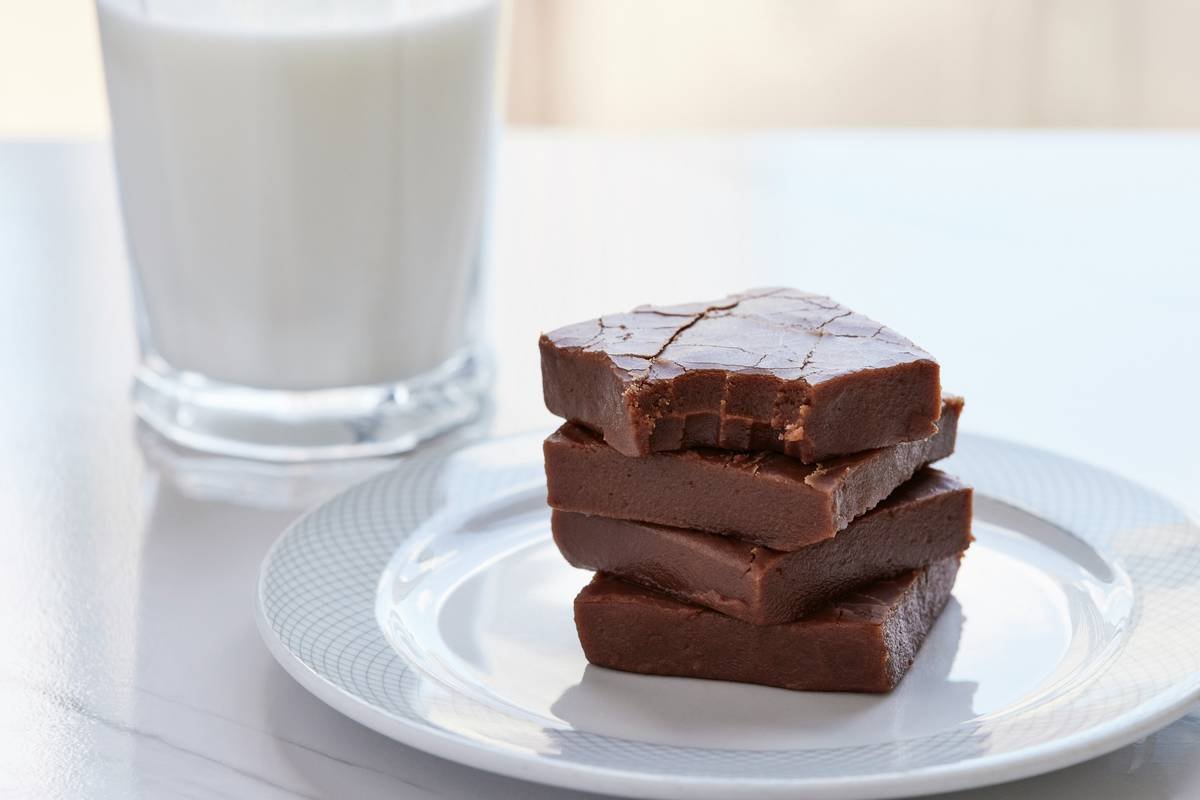
I learned this the hard way during my first holiday fudge attempt. Confident in my “eyeball method,” I pulled the pot off heat when the syrup “looked glossy.” Result? A crumbly, greasy slab that my dog politely sniffed… then walked away from. Turns out, I’d overshot the soft-ball stage (234–240°F) by 18 degrees. Lesson burned into my brain—and my countertop.
Optimist You: “Precision equals perfection!”
Grumpy You: “Ugh, fine—but only if coffee’s involved and no one asks me to clean burnt sugar off the stovetop again.”
How to Use a Candy Thermometer (Step by Step)
Step 1: Choose the Right Type
You’ve got two main options:
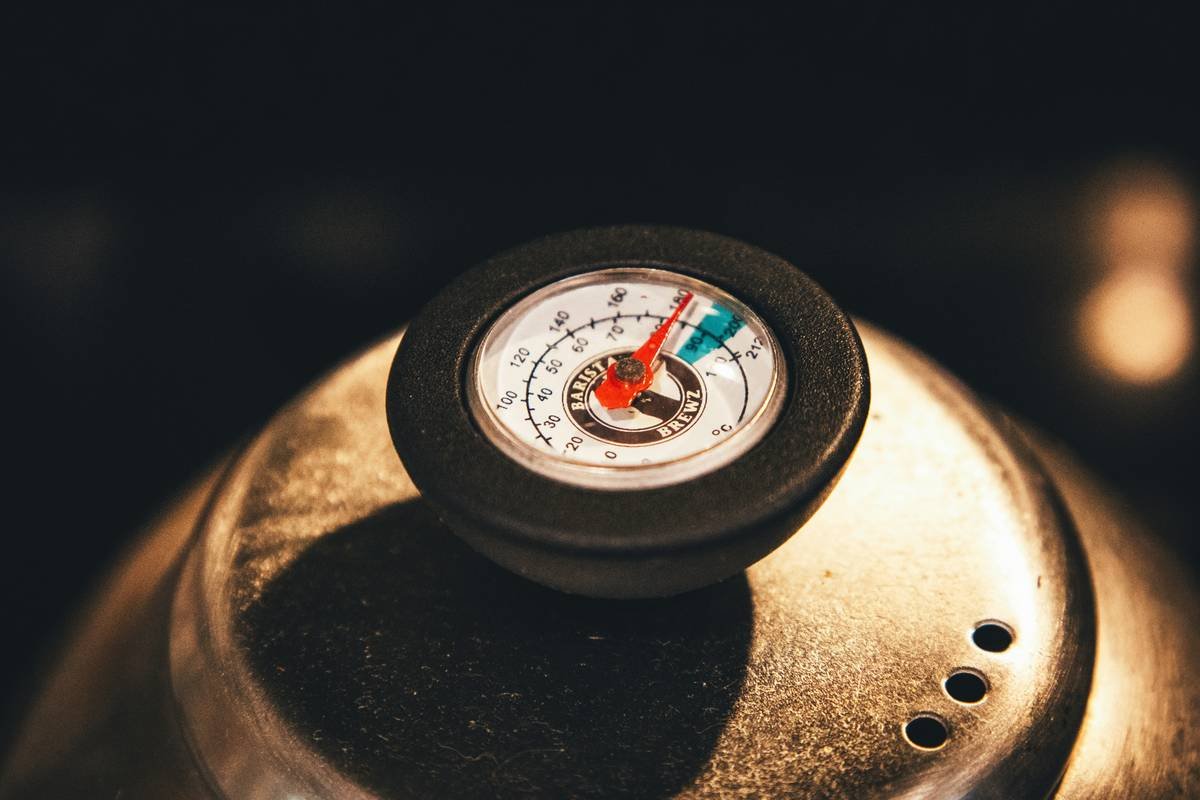
- Analog (dial or glass): Classic, affordable, but slower to respond. Glass models require careful handling.
- Digital (instant-read or leave-in): Faster, more precise (+/- 0.5°F accuracy), often with alarms. Ideal for beginners.
Step 2: Calibrate Before First Use
Fill a pot with distilled water, bring to a rolling boil, and insert the thermometer (without touching the bottom). At sea level, it should read 212°F (100°C). If it reads 215°F, subtract 3°F from all future readings—or recalibrate per manufacturer instructions.
Step 3: Position It Correctly
Clip the thermometer to the pot so the tip is fully submerged in syrup but not touching the bottom or sides. Contact with metal gives false high readings and risks breakage.
Step 4: Monitor—Don’t Walk Away
Sugar heats fast. Set a timer, keep stirring gently, and watch the needle or display like a hawk. Digital models with high-temp alerts (e.g., ThermoPro TP03) are lifesavers.
Step 5: Clean Immediately After Use
Soak in warm, soapy water while syrup is still soft. Dried sugar is harder to remove than week-old pizza cheese.
Best Practices for Accurate Readings
- Check altitude adjustments: Water boils below 212°F at higher elevations. For every 500 ft above sea level, subtract ~1°F from target temps.
- Avoid steam fogging: On analog dials, wipe the lens with a dry cloth mid-process.
- Don’t reuse for meat: Cross-contamination risk. Keep one dedicated to sweets.
- Verify before big batches: Test calibration weekly if you bake often.
- Store safely: Hang glass thermometers; tuck digital probes in padded cases.
Rant Time: The “Just Use the Cold Water Test” Crowd
Look, I get it—Grandma didn’t have a $20 gadget. But dropping scalding syrup into ice water is messy, inconsistent, and frankly, a burn hazard. Modern candy thermometers cost less than a fancy latte and give you repeatable results. Stop glorifying guesswork like it’s a virtue.
Real-World Success: From Failed Fudge to Five-Star Caramels
Last winter, my neighbor Sarah—a brilliant baker but chronic candy-fail—asked for help with her signature caramels melting in transit. We pulled out my ThermoWorks ChefAlarm (digital, range: -58°F to 572°F). Her recipe called for “cook until thick,” which translated to ~248°F… but her old glass thermometer read 258°F due to miscalibration.
After recalibrating and hitting 245°F exactly, her caramels held shape in 90°F weather. She now sells them at local markets—packaged with a tiny note: “Temp-tested, stress-free.” That’s the power of knowing what is a candy thermometer and using it right.
Frequently Asked Questions
Can I use a meat thermometer instead?
Only if it covers up to 400°F+ and has fine gradations (meat thermometers often jump in 5–10°F increments—too coarse for candy). Better to invest in a dedicated model.
Are digital candy thermometers dishwasher-safe?
Most aren’t. Hand-wash probes to preserve calibration sensors. Check your manual!
What’s the highest temperature a candy thermometer should read?
Aim for one that goes to at least 400°F. Caramelization begins around 320°F, and some recipes (like peanut brittle) hit 300–310°F.
My syrup crystallized—did my thermometer fail?
Unlikely. Crystallization usually stems from sugar crystals on the pot wall or undissolved granules—not temp error. Always dissolve sugar fully in cold water before heating.
Conclusion
So, what is a candy thermometer? It’s not just a kitchen gadget—it’s your insurance policy against sugary heartbreak. By delivering exact temperature data, it turns chaotic candy-making into a precise, repeatable science. Whether you’re a weekend baker or a small-batch chocolatier, this tool pays for itself in saved ingredients, time, and dignity.
Grab a calibrated thermometer, follow the stages, and never serve a batch of “concrete fudge” again. Your taste buds—and your guests—will thank you.
Like a Tamagotchi, your candy thermometer needs attention—but feed it right, and it’ll thrive.
Boil bright,
Synergy of sugar and heat—
Thermometer guides.