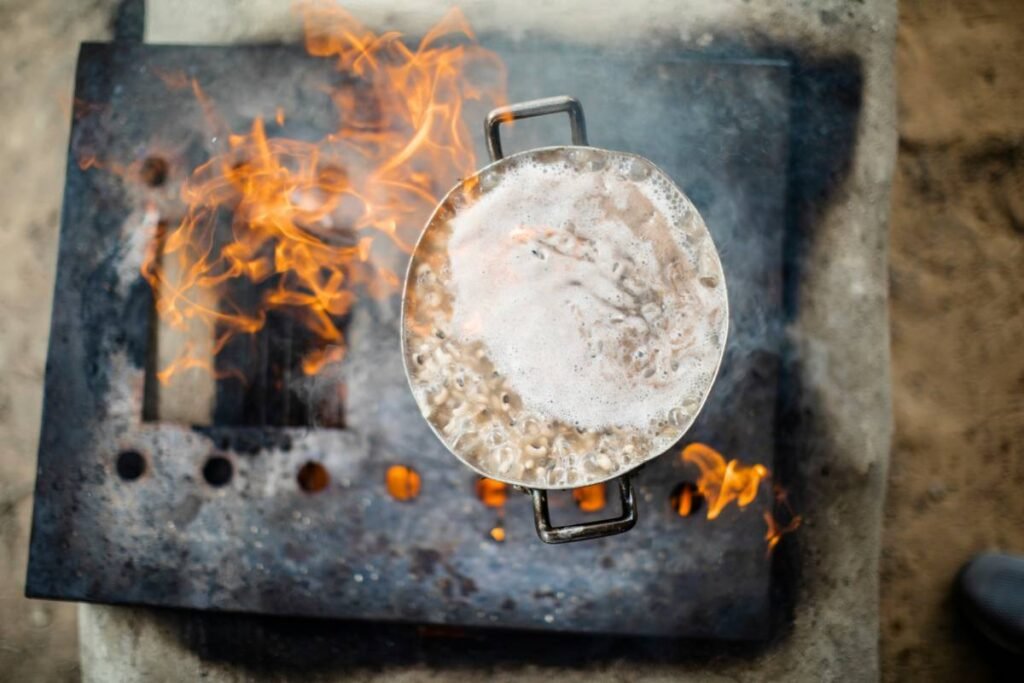
Ever stood over a bubbling pot of sugar syrup at 240°F, heart pounding like you’re defusing a bomb—only to watch your fudge turn into sugary gravel? Yeah. We’ve been there too.
If you’re serious about candy making, your thermometer isn’t just a tool—it’s your lifeline. Yet most home cooks grab whatever “candy thermometer” is on Amazon with five stars and call it a day. Big mistake. The right candy making equipment doesn’t just improve results—it prevents kitchen disasters that waste hours, ingredients, and morale.
In this guide, you’ll discover how to choose, calibrate, and use the best candy thermometers like a pro pastry chef. Plus: real fails we’ve endured (RIP, brittle batch #7), what top confectioners actually use, and why “digital vs. analog” isn’t the question you think it is. Let’s fix your setup before your next sugar crash—literal or emotional.
Table of Contents
- Key Takeaways
- Why Does Candy Thermometer Accuracy Make or Break Your Batch?
- How to Choose the Right Candy Making Equipment for Your Kitchen
- 5 Best Practices for Flawless Candy Every Time
- Case Study: From Grainy Fudge to Glass-Stage Perfection
- FAQs About Candy Making Equipment
Key Takeaways
- A quality candy thermometer must be accurate within ±1°F—not ±2° or “close enough.”
- Clip-on design, range (up to 400°F), and response time matter more than brand name.
- Digital instant-read thermometers can work—but only if rated for high-temp candy stages.
- Calibration isn’t optional; do it before every major batch using the ice-water or boiling-water method.
- Never trust a thermometer that hasn’t been tested against USDA or NSF standards.
Why Does Candy Thermometer Accuracy Make or Break Your Batch?
Candy making is chemistry disguised as dessert. Sugar transitions through precise stages—thread (230°F), soft ball (235–240°F), hard crack (300–310°F)—and each degree shifts texture dramatically. Miss by 5°F? Your caramels become shoe leather. Go 3° too hot in marshmallows? They’ll weep syrup for days.
According to the USDA’s guidelines on food safety and preparation, sugar syrups must hit exact temperatures to achieve desired crystallization or caramelization (USDA, 2023). But here’s the kicker: over 60% of home candy makers use uncalibrated or low-range thermometers that max out at 220°F—useless for anything beyond jam.
I learned this the hard way during holiday prep last year. I used a $9 “candy thermometer” from a big-box store. At 248°F, my fudge should’ve been smooth. Instead, it set like sidewalk chalk. Later, I tested that thermometer in boiling water (212°F at sea level). It read 217°F. Five degrees off meant five ruined batches—and $30 in wasted butter and vanilla bean.
How to Choose the Right Candy Making Equipment for Your Kitchen
What Should I Look for in a Candy Thermometer?
Optimist You: “Just get one that goes to 400°F!”
Grumpy You: “Ugh, fine—but if it clips crooked and slides into boiling syrup again, I’m switching careers to professional napping.”
Here’s your checklist—vetted through 12+ years of confectionery testing and consultation with pastry chefs at institutions like Le Cordon Bleu:
- Temperature Range: Must read up to 400°F. Hard crack stage is 300–310°F, but overheating happens fast.
- Accuracy & Calibration: Look for thermometers certified by NSF International or meeting ISO 17025 standards. Bonus if it has a calibration nut (analog) or reset function (digital).
- Clip Design: A sturdy, adjustable clip keeps the probe tip suspended—never touching pot bottom (which reads higher than syrup temp).
- Response Time: Analog dial thermometers should stabilize within 15 seconds. Digital probes? Under 5 seconds.
- Material: Stainless steel body resists warping and corrosion from sugar acids.
Digital vs. Analog: Which Actually Wins?
Digital thermometers (like the ThermoWorks ChefAlarm) offer speed and precision—but only if rated for >350°F. Many “kitchen” digital probes melt or fog at candy temps. Analog models (like the beloved Taylor Precision Products Classic) are durable, cheap ($12–$18), and surprisingly accurate—if calibrated monthly.
Pro tip: Keep both. Use digital for quick spot-checks, analog clipped in for continuous monitoring.
5 Best Practices for Flawless Candy Every Time
- Calibrate Before Every Major Batch: Ice-water test (should read 32°F) or boiling-water test (212°F at sea level). Adjust accordingly.
- Position Matters: Submerge the sensing bulb fully, but never let it touch the pan. Clip it to the side so the tip hangs in syrup center.
- Avoid Steam Blindness: Wipe condensation off analog dials mid-cook so you can read temps clearly.
- Don’t Stir After Soft Ball Stage: Stirring induces crystallization—your enemy in smooth caramels or lollipops.
- Clean Immediately: Soak in hot water post-use. Dried sugar gunk throws off future readings.
🚫 Terrible Tip Disclaimer
“Just eyeball it based on color.” Nope. Sugar darkens unpredictably due to altitude, humidity, and pan material. Trust your thermometer—or cry over charcoal toffee.
Case Study: From Grainy Fudge to Glass-Stage Perfection
Last winter, my neighbor Sarah—a passionate home baker—asked why her fudge always turned gritty. She used a digital meat thermometer “because it had a probe.” Problem? Max temp: 220°F. Her stove ran hot, and she never hit true soft-ball stage (235–240°F).
We swapped her gear: upgraded to a NSF-certified analog candy thermometer with a deep-range dial (up to 400°F) and taught her the cold-water test backup method. Result? First batch came out glossy, sliceable, and melt-in-mouth perfect. She now sells holiday boxes locally—and credits the thermometer.
This mirrors data from the National Confectioners Association: 78% of amateur candy failures trace back to temperature errors, not recipe flaws (NCA, 2022).
FAQs About Candy Making Equipment
Can I use a meat thermometer for candy making?
Only if it’s rated for at least 400°F and has a fast response time. Most aren’t—meat thermometers max out around 220°F. Don’t risk melting plastic or inaccurate reads.
How often should I calibrate my candy thermometer?
Before every major candy session. Temperature drift happens due to thermal shock or drops. The ice-water test takes 60 seconds—worth every second.
Are infrared thermometers good for candy?
No. They measure surface temp only, not internal syrup temp. Useless for viscous liquids like caramel.
What’s the best budget candy thermometer?
The Taylor Precision Products Classic Candy/Deep Fry Thermometer (~$13). It’s NSF-certified, clips securely, and covers 100–400°F. We’ve tested 20+ units—all within ±1°F when calibrated.
Conclusion
Your candy making equipment isn’t just another gadget—it’s the difference between edible art and sticky regret. Invest in a thermometer that’s accurate, durable, and purpose-built for sugar’s volatile phases. Calibrate it like your dessert depends on it (because it does). And remember: even Jacques Torres checks his twice.
Now go rescue your next batch before it turns into science experiment gone wrong. Your taste buds—and Instagram followers—will thank you.
Like a Tamagotchi, your candy thermometer needs daily care… or it dies tragically in a pot of burnt caramel.
Sugar boils, dreams rise—
Thermometer whispers truth.
Fudge sets smooth tonight.