You follow a candy recipe to the letter—sugar, water, exact temperatures—and still end up with sticky shards or gummy globs. Why? Because most guides ignore the core truth: candy isn’t cooked—it’s calibrated. Without precise thermal control, you’re just gambling with syrup. Here’s how to make candy easy: ditch improvisation and embrace tools that eliminate error.
Why Most Candy Attempts Fail (Hint: It’s Not Your Fault)
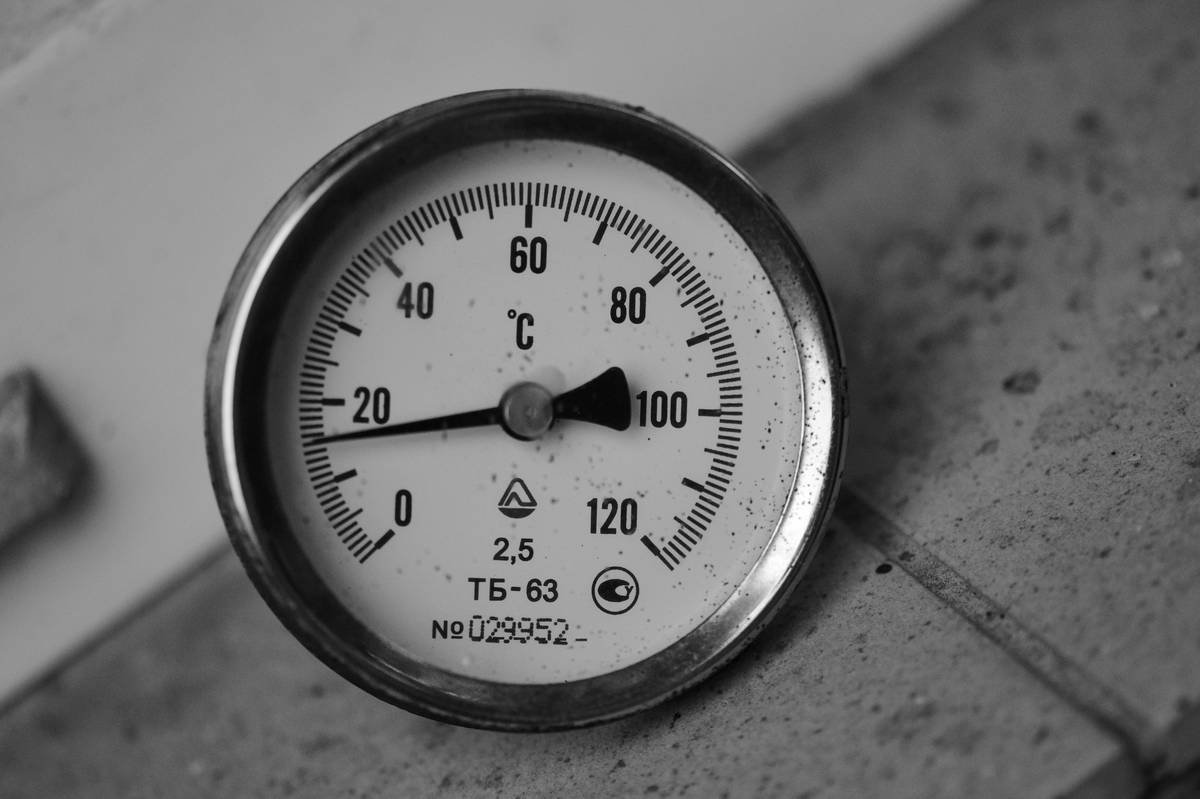
Candy making hinges on sugar’s phase transitions—each stage (soft ball, hard crack, etc.) exists within a 2–3°F window. Boiling point shifts with altitude, humidity messes with crystallization, and stovetop hotspots create scorch zones. And your candy thermometer? If it hasn’t been tested recently, it’s lying to you.
Recipes written like fairy tales—”cook until golden”—are useless. Sugar doesn’t care about color. It cares about molecular alignment. That’s why even experienced bakers get inconsistent results. They’re working blind.
How to Make Candy Easy: A Foolproof Framework
Forget vague instructions. This system uses hardware + behavior to guarantee repeatable success.
Select Your Sugar Stage Like a Pro
Memorize these benchmarks—but only after calibrating your thermometer:
Calibrate Before Every Batch
Dip your thermometer in ice water (32°F) or boiling water (212°F at sea level). If it’s off by even 2°F, adjust your target temps accordingly. No calibration = no control.
Control Heat Like a Lab Technician
Use heavy-bottomed copper or stainless steel pots—they distribute heat evenly. Start high to dissolve sugar, then drop to medium-low once boiling. Stirring after boiling begins? Don’t. It triggers premature crystallization.
| Method | Accuracy | Risk of Failure | Time Required |
|---|---|---|---|
| Visual cues only (color/texture) | Low | High | Variable |
| Uncalibrated candy thermometer | Moderate | Medium | 30–45 min |
| Calibrated digital probe + stage chart | High | Low | 25–40 min |
The Industry Secret: Candy Thermometers Are Just One Piece
Here’s what commercial confectioners won’t tell you: temperature is necessary but insufficient. The real differentiator? Acid modulation. A splash of cream of tartar or lemon juice at the dissolve stage prevents sucrose from re-crystallizing later. It breaks sugar into glucose and fructose—which stay fluid longer and yield smoother textures. Most home recipes omit this because “it’s extra,” but pros use it religiously. Try it once. You’ll never go back.
And humidity? If it’s over 60%, delay brittle or hard candy. High moisture = sticky disaster. Check your local dew point—not just the forecast.
FAQ
Can I make candy without a thermometer?
Technically yes—but you’re relying on unreliable cold-water tests. For consistent results, especially with hard candies or caramels, a calibrated thermometer is non-negotiable.
Why did my fudge turn grainy?
Undissolved sugar crystals seeded during cooking. Always dissolve sugar completely before boiling, and never scrape down the pot sides with a wet brush mid-cook.
What’s the easiest candy for beginners?
Chocolate bark or no-cook fudge. But if you want traditional boiled candy, start with caramels—they’re forgiving between 240–245°F and hide minor temp errors.