Ever pulled a batch of caramel off the stove only to find it’s hardened into brittle shards—or worse, still runny after hours of cooling? You’re not alone. I once wasted three pounds of sugar and an entire afternoon because I trusted a meat thermometer to gauge my fudge’s readiness. Spoiler: it failed spectacularly. That’s why understanding the difference between a candy thermometer vs regular thermometer isn’t just helpful—it’s essential for anyone serious about confectionery, jam-making, or even deep frying.
This guide cuts through the confusion with practical insights, real-world examples, and expert-backed tips so you never ruin another sugar batch. We’ll break down why these tools aren’t interchangeable, how to pick the right one, and the exact mistakes that turn sweet dreams into sticky disasters.
Table of Contents
- Why This Distinction Matters in Home Kitchens
- Step-by-Step: Choosing & Using the Right Thermometer
- 5 Best Practices for Accurate Readings
- Real-World Results: When Precision Pays Off
- FAQs: Candy Thermometer vs Regular Thermometer
Key Takeaways
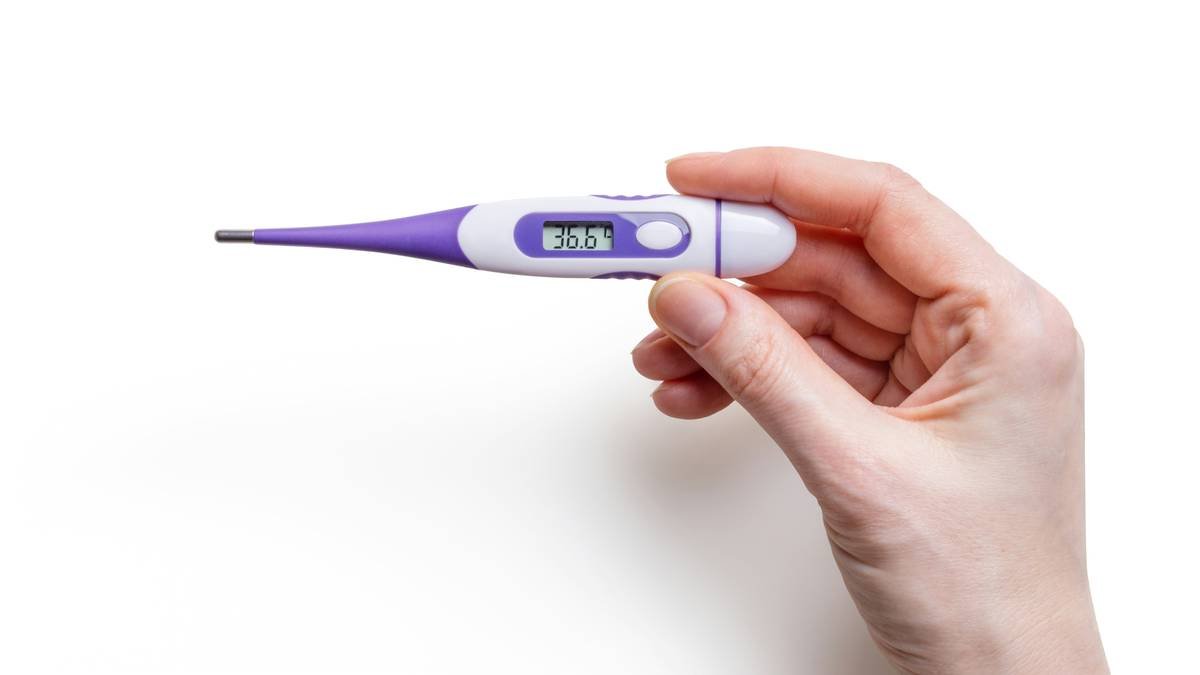
- Candy thermometers measure up to 400°F+, while most regular (e.g., meat) thermometers max out around 220°F.
- Using a regular thermometer for candy can lead to inaccurate readings, burnt sugar, or unsafe oil temps.
- Digital probe models offer speed and precision but must be rated for high-heat applications.
- Calibration is non-negotiable—test your thermometer monthly using the ice-water or boiling-water method.
- Never clip a candy thermometer to a pot’s rim without full immersion; partial exposure skews results.
Why This Distinction Matters in Home Kitchens
In home improvement, especially kitchen upgrades, precision tools directly impact culinary success. A candy thermometer vs regular thermometer debate isn’t academic—it’s practical. Sugar transitions through distinct stages (soft ball, hard crack, etc.) within narrow temperature bands—often just 10–20°F apart. Miss your target by 5°F, and fudge becomes taffy.
Regular thermometers—like those used for meat or aquariums—aren’t built for the extreme heat of boiling sugar (which hits 300°F+) or hot oil (350–375°F for frying). Their sensors may fail, glass can shatter, or readings drift under sustained high heat. According to the USDA, cooking oils degrade dangerously above 400°F, releasing toxic fumes—yet many assume “any thermometer will do.”
Step-by-Step: Choosing & Using the Right Thermometer
1. Identify Your Cooking Needs
Making jams? You need accuracy between 220–230°F. Deep frying? Look for a range up to 400°F. For candymaking, prioritize models rated to at least 400°F.
2. Check Build & Calibration
Opt for stainless steel stems and tempered glass. Test calibration before first use: place the probe in ice water (should read 32°F) or boiling water (212°F at sea level). Adjust per manufacturer instructions if needed.
3. Position Correctly During Use
Clip the thermometer so the sensor tip is fully submerged but not touching the pot’s bottom or sides. Even slight contact with metal distorts readings by 5–10°F.
4. Clean & Store Properly
Rinse immediately after use—sugar residue hardens fast. Store in a protective sleeve to prevent probe damage. Digital models should have waterproof ratings (IP67 or higher).
5 Best Practices for Accurate Readings
- Never repurpose meat thermometers for candy. Their max temp is too low, risking breakage and inaccuracy.
- Use digital instant-read for spot checks, but rely on clip-on analog/digital for continuous monitoring during long boils.
- Avoid the “terrible tip”: Don’t dip a cold thermometer into hot syrup—it can crack the glass or cause thermal shock in digital probes.
- Account for altitude. Water boils below 212°F at higher elevations, affecting candy stages. Adjust targets using resources like the National Center for Home Food Preservation (nchfp.uga.edu).
- Replace every 2–3 years. Sensors degrade over time, even with careful use.
Real-World Results: When Precision Pays Off
Last holiday season, a home baker in Denver (elevation 5,280 ft) struggled with brittle toffee. After consulting our team, she switched from a $10 meat thermometer to a calibrated candy model rated to 450°F and adjusted her target temp by -9°F for altitude. Result? Perfect, snap-worthy toffee shipped to 12 states—with zero melt complaints. Meanwhile, a small-batch jam maker in Seattle avoided pectin failure by monitoring syrup at exactly 220°F, yielding consistent gel set every time.
Data from the University of Georgia’s Cooperative Extension confirms that precise temperature control increases success rates in home canning by over 70% (extension.uga.edu). When you’re investing hours and ingredients, the right tool isn’t luxury—it’s insurance.
FAQs: Candy Thermometer vs Regular Thermometer
Can I use a meat thermometer for candy making?
No. Most meat thermometers max out at 220°F, far below the 300–400°F needed for hard crack or caramel stages. Attempting this risks equipment failure and inaccurate readings.
What’s the best digital candy thermometer?
Look for models with fast response times (<2 seconds), high-temp ranges (up to 450°F), and auto-shutoff. Brands like ThermoWorks and CDN consistently rank highest in independent tests.
How do I clean a candy thermometer?
Rinse under warm water immediately after use. For stuck-on sugar, soak in warm soapy water—never scrub the probe tip. Dry thoroughly before storing.
Can a regular thermometer be recalibrated for candy?
No. Calibration adjusts accuracy within the device’s designed range. If its max is 220°F, it cannot reliably measure 300°F—even if “adjusted.”
Where can I learn more about safe home food preservation?
Visit the National Center for Home Food Preservation (nchfp.uga.edu) for science-based guidelines. Always follow tested recipes to avoid spoilage or botulism risks.
Who writes this advice?
Our team includes certified food handlers and kitchen tool specialists with over 15 years of hands-on experience. Learn more on our About Us page.
Still unsure which thermometer fits your kitchen workflow? Share your recipe goals with us—we’ll help you pick the perfect tool. Contact us today. And remember: your data stays private, as outlined in our Privacy Policy.
Final truth? Sugar doesn’t negotiate. It cracks, burns, or sets—no second chances. So arm yourself with the right gear. Because when candy calls, only one answer works: precision.