You’re halfway through a brittle batch when the sugar suddenly seizes—grainy, burnt, ruined. Again. You followed the recipe to the letter. The problem? Your candy thermometer’s temperature range is lying to you. And if it can’t accurately read between 235°F and 310°F—the sweet spot for everything from soft caramels to hard crack—you’re gambling with every batch.
The Core Problem: Why Most Candy Thermometers Fail When It Counts
Cheap analog dials and bargain-bin digital probes often claim a “wide range”—but accuracy plummets exactly where confectionery lives. At sea level, sugar stages shift within mere degrees. A reading that’s off by just 5°F turns fudge into sludge.
And calibration? Most home cooks never check it. They assume “it works” until it doesn’t.
Mastering Sugar Stages: A Step-by-Step Precision Protocol
Forget winging it. Precision candy work demands three things: the right tool, verified calibration, and knowledge of thermal thresholds.
Step 1: Validate Your Thermometer’s True Range
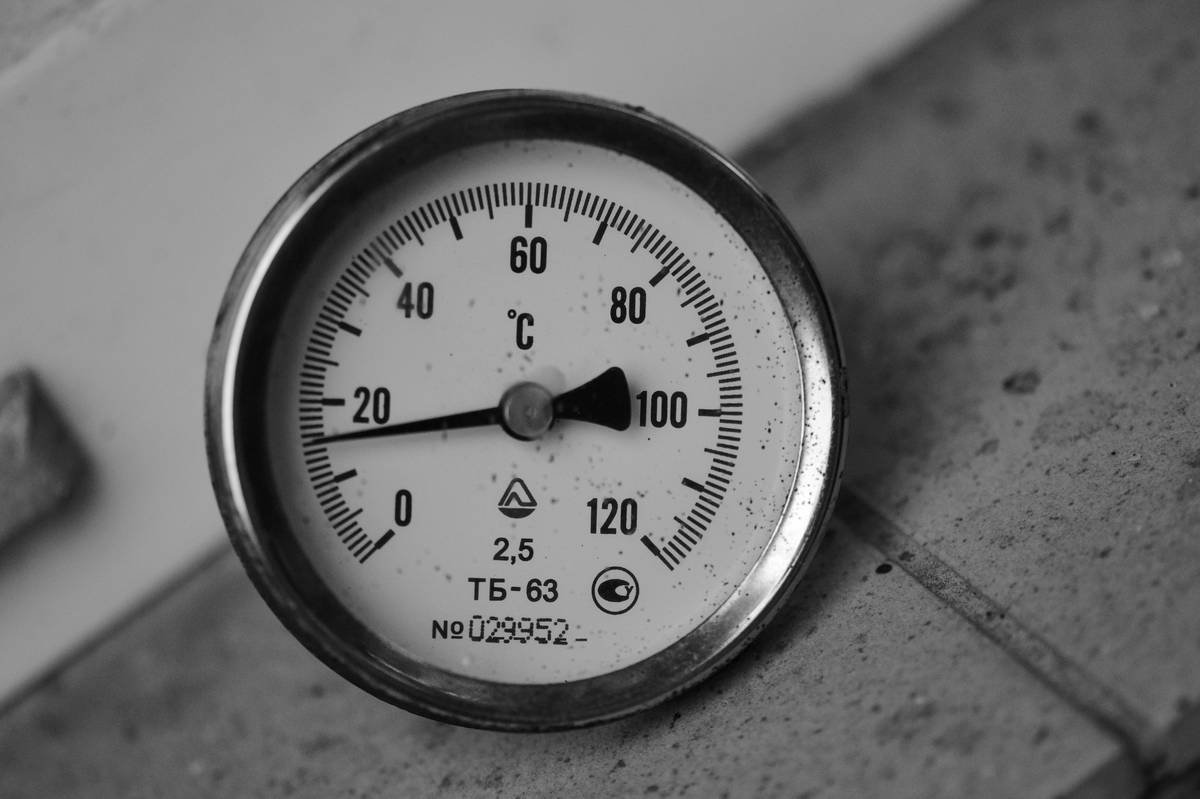
Fill a saucepan with water and bring it to a rolling boil. At sea level, it should read 212°F (100°C). If it doesn’t, note the offset—and apply it mentally to every future reading. Better yet, get a digital probe rated for 100°F–400°F with ±0.5°F accuracy.
Step 2: Match Sugar Stage to Actual Temp—Not Guesswork
Recipes name stages like “soft ball” or “hard crack,” but those translate to exact temperatures. Relying on touch tests wastes time and ingredients.
| Sugar Stage | Target Temp Range | Common Uses | Risk if Off by 5°F+ |
|---|---|---|---|
| Soft Ball | 235°F – 240°F | Fudge, fondant | Greasy, won’t set |
| Firm Ball | 245°F – 250°F | Caramel, nougat | Too chewy or too soft |
| Hard Crack | 300°F – 310°F | Peanut brittle, lollipops | Burnt bitterness or sticky mess |
Step 3: Choose the Right Tool for the Job
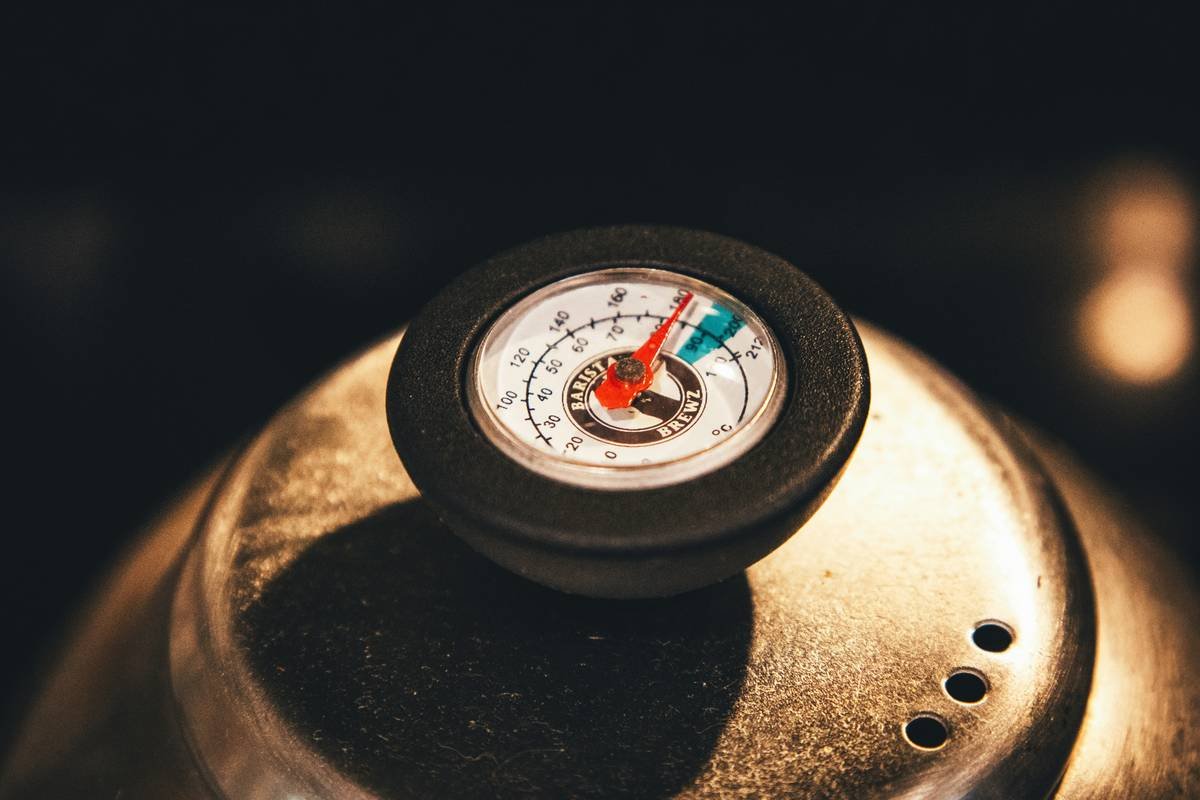
Not all digital food thermometers are created equal. For candy work, you need fast response time (<2 seconds), a high upper limit (at least 400°F), and a probe thin enough to stir without breaking glass cookware. Skip meat thermometers—they’re built for 150°F–200°F ranges and lag at extremes.
The Industry Secret: Pros Don’t Trust One Reading
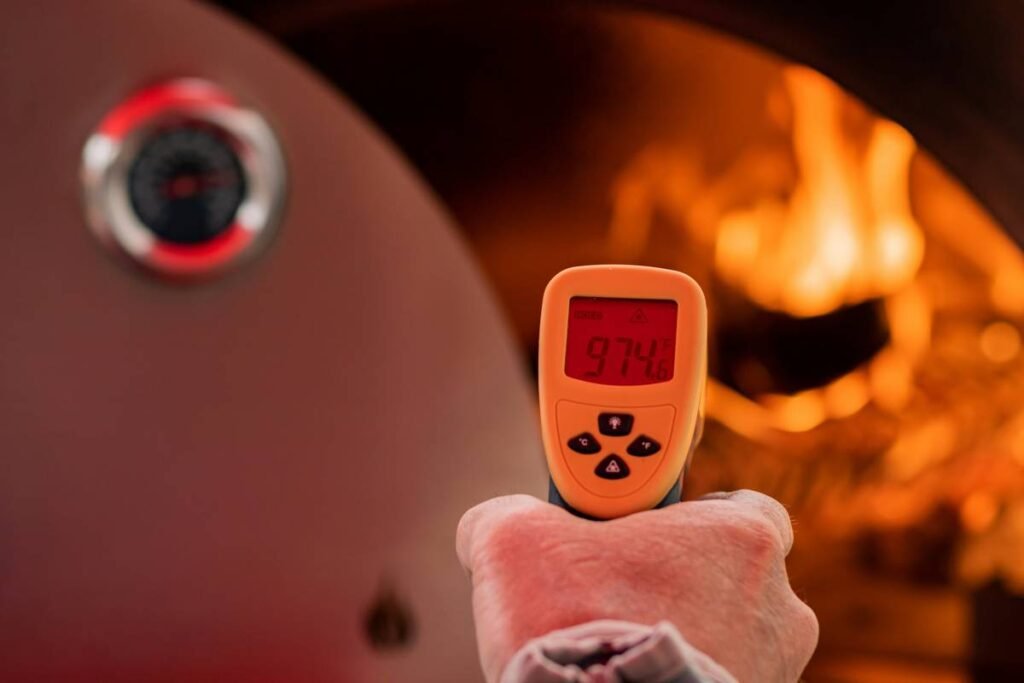
Here’s what you won’t find in glossy cookbooks: experienced chocolatiers and pâtissiers take two readings—one from a calibrated digital probe and one from an infrared surface gun aimed at the syrup’s meniscus. Why? Because viscous sugar creates thermal lag. The center might be 298°F while the edges hit 305°F—enough to scorch delicate toffee.
The math is simple: if your thermometer’s stated candy thermometer temperature range includes 310°F but lacks NIST-traceable certification, assume a hidden ±7°F drift under load. That’s not a margin—it’s a recipe for failure.
Frequently Asked Questions
What is the standard candy thermometer temperature range?
Most quality digital candy thermometers cover 100°F to 400°F—but accuracy matters more than span. Focus on models precise within ±1°F between 230°F–310°F.
Can I use a meat thermometer for candy making?
Technically yes—but most max out at 220°F or respond too slowly. Candy demands rapid, high-temp accuracy meat probes aren’t engineered for.
How do I know if my candy thermometer is accurate?
Boil distilled water at sea level—it must read 212°F. For high-temp verification, mix sugar and water to known concentrations and check against published boiling points.