You followed the recipe to the letter. You stirred for 20 minutes straight. Yet your caramels turned into brittle shards—or worse, stayed sticky and gooey. Temperature is everything in candy-making. And if you’re eyeballing it or relying on outdated analog tools, you’re gambling with sugar and science. Enter the food network candy thermometer: precision engineered, trusted by pros, and shockingly affordable.
The Sticky Truth: Why Traditional Candy Thermometers Lie to You
Old-school glass thermometers crack under thermal stress—suddenly plunging mercury (or alcohol) into your syrup. But even before they break, they lag. Sugar heats fast. Reactions happen in seconds. A delayed reading means you overshoot the soft-ball stage before you even glance away from your phone.
And digital probes? Many consumer-grade models lack calibration stability. One batch reads accurate; the next drifts 8°F off. That’s the difference between chewy taffy and rock-hard disappointment.
How to Master Sugar Stages with a Food Network Candy Thermometer
Forget guesswork. Here’s how serious home confectioners nail every batch—consistently.
Pick the Right Thermometer Type
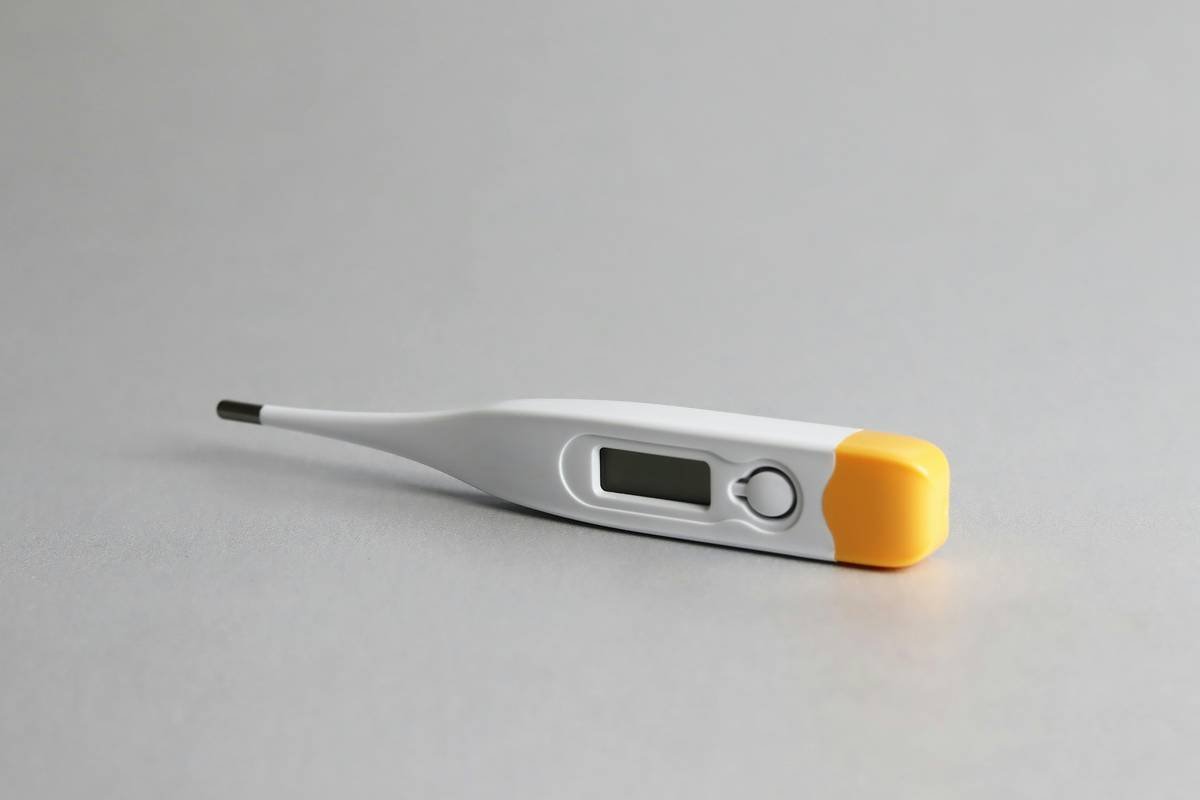
Not all “digital food thermometers” are built for candy. You need a fast-response, high-range probe (ideally -58°F to 572°F) with auto-hold and splash resistance. The food network candy thermometer nails all three.
Calibrate Before Every Use
Boil distilled water. At sea level, it should read exactly 212°F. If not, adjust using the offset function—most quality units let you tweak within ±3°F. Skip this, and you’re baking blind.
Position Matters More Than You Think
Dangle the probe tip in the center of the pot—never touching the bottom or sides. Metal conducts heat faster than syrup. A misplaced sensor gives false highs. Stir gently. Watch the display stabilize. Then act.
| Sugar Stage | Target Temp (°F) | Classic Mistake Without Precise Thermometer |
|---|---|---|
| Soft Ball | 235–240 | Fudge turns grainy or won’t set |
| Hard Ball | 250–265 | Toffee lacks snap; bends instead of cracks |
| Soft Crack | 270–290 | Brittles stay sticky at room temp |
| Hard Crack | 300–310 | Candy burns before reaching amber color |
The Industry Secret No Brand Admits
Here’s what test kitchens won’t tell you: ambient humidity skews candy outcomes more than temperature alone. But—and this is critical—a responsive digital thermometer like the food network candy thermometer lets you compensate in real time. If your kitchen is 70% humidity, pull the syrup 2°F earlier than the chart says. The device’s rapid update rate (under 3 seconds) gives you that window. Analog dials? They’re already 10 seconds behind. By then, you’ve lost control.
Think about it. Sugar concentration dictates texture. Water content dictates evaporation speed. Only live, accurate data bridges the gap. And that’s why serious bakers treat their thermometer like a co-pilot—not an accessory.
FAQ: Real Questions from Real Home Confectioners
Can I use a meat thermometer for candy?
No. Most max out at 220°F—well below hard crack stage. You’ll risk melting the probe or getting erratic readings.
Why does my candy thermometer read differently in different pots?
Thick-bottomed stainless steel distributes heat evenly. Thin aluminum creates hot spots. Always position the probe in moving liquid, not near metal surfaces.
How often should I replace a digital candy thermometer?
Every 18–24 months if used weekly. Sensor fatigue is real—even without visible damage, accuracy degrades after ~200 high-heat cycles.