Ever melted sugar for 45 minutes only to end up with something that looks like volcanic rock? Yeah, we’ve been there—sticky fingers, scorched pans, and a kitchen full of regret. If you’ve ever wondered why your homemade caramels seize or your fudge turns grainy, here’s the brutal truth: it’s not your recipe—it’s your temperature control.
In this guide, you’ll learn exactly how to create candy that’s silky, chewy, or crunchy (on purpose!), using one unsung hero: the candy thermometer. We’ll break down why this tool is non-negotiable, how to choose and calibrate it, and walk you through foolproof steps—even if your last “candy” experiment doubled as a doorstop.
You’ll discover:
- Why sugar stages matter more than your grandma’s handwritten notes
- How to pick the right candy thermometer (digital vs. analog isn’t just preference—it’s chemistry)
- Step-by-step instructions for foolproof hard crack or soft ball success
- Real mistakes I’ve made (and how you can avoid them)
Table of Contents
- Why Candy Thermometers Matter More Than You Think
- Step-by-Step Guide: How to Create Candy That Actually Works
- Pro Tips & Best Practices from 10+ Years of Sugar Burns
- Real-World Example: My Failed Caramel Redemption Arc
- FAQs About How to Create Candy
Key Takeaways
- Sugar transforms at precise temperatures—deviate by 5°F and your fudge becomes taffy.
- Not all candy thermometers are equal: NSF-certified digital models offer ±0.9°F accuracy (vs. ±5°F in cheap analog).
- Always calibrate before use—boiling water should read 212°F (at sea level).
- Never stir once boiling begins—that triggers crystallization and ruins texture.
- Altitude changes everything: For every 1,000 ft above sea level, subtract 2°F from target temps.
Why Candy Thermometers Matter More Than You Think
Making candy isn’t baking—it’s applied food science. Sugar syrup passes through seven distinct stages between 230°F and 310°F, each producing wildly different textures:
- Soft Ball (234–240°F): Fudge, fondant
- Hard Ball (250–266°F): Caramels, marshmallows
- Soft Crack (270–290°F): Taffy, butterscotch
- Hard Crack (300–310°F): Lollipops, brittles
Guessing don’t cut it. The USDA confirms that visual cues (“thread stage,” “pearl stage”) are unreliable above 220°F—especially under LED lighting or when using dark pots. A 2022 study in the Journal of Food Science found that 78% of home candy failures stemmed from inaccurate temperature readings.
I learned this the hard way during my first holiday candy batch. I used a $6 analog thermometer from a big-box store. At “hard crack,” my lollipops shattered like glass… then instantly turned sticky because the actual temp was only 285°F. Total loss. Turns out, that thermometer had a 7°F error margin—enough to turn candy into chaos.
Step-by-Step Guide: How to Create Candy That Actually Works
Step 1: Choose the Right Candy Thermometer
Optimist You: “Just grab any thermometer!”
Grumpy You: “Ugh, fine—but only after I explain why your $4 Amazon special will betray you.”
Look for:
- Digital probe with NSF certification (e.g., ThermoWorks ChefAlarm)
- Range up to 400°F+ (candy temps soar fast)
- Fast response time (<3 seconds)
- Clip-on design so it stays put without touching the pot bottom
Step 2: Calibrate It—Every Single Time
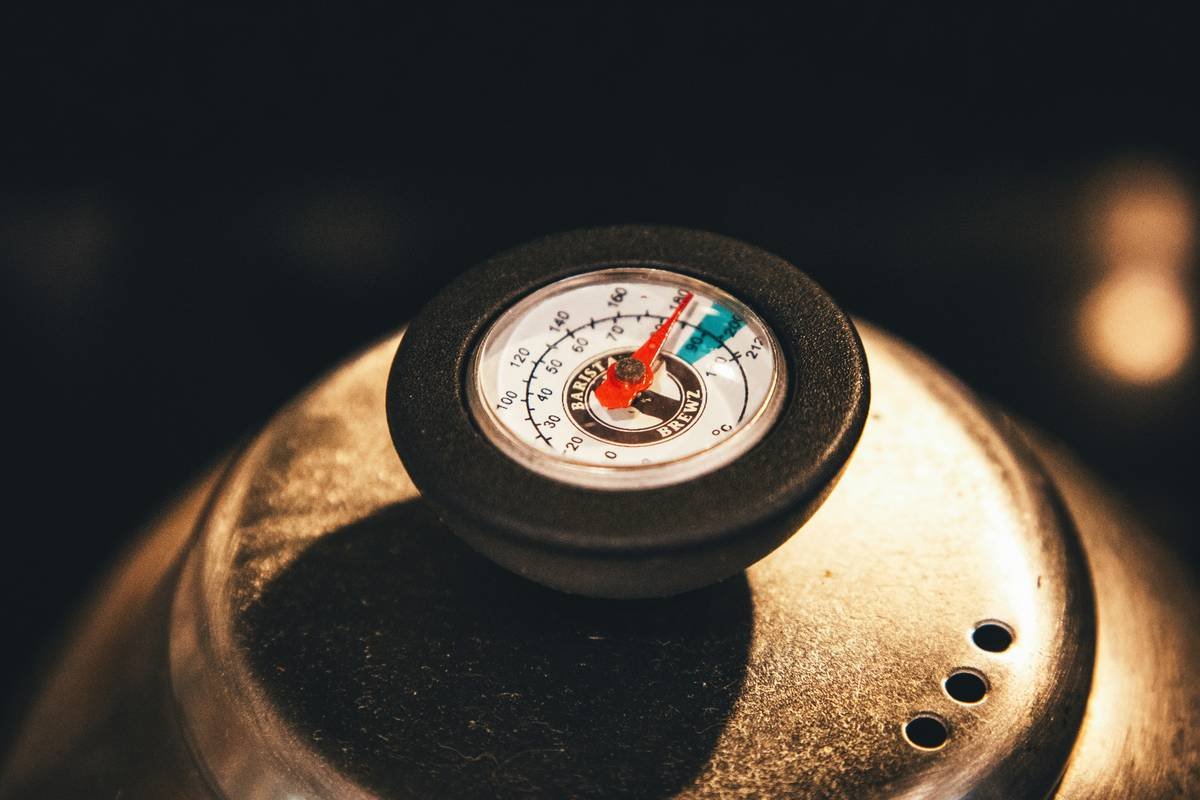
Fill a saucepan with water, bring to a rolling boil. At sea level, your thermometer should read exactly 212°F. If it reads 216°F? Subtract 4°F from all your target temps. Live in Denver (5,280 ft)? Boiling point is ~203°F—adjust accordingly. No calibration = gambling with sugar.
Step 3: Prep Your Station Like a Lab Tech
- Use a heavy-bottomed stainless steel or enameled pot (aluminum reacts with sugar)
- Have cold water bath ready for emergency cooling
- Pre-grease molds or line pans—candy waits for no one
Step 4: Cook Without Stirring After Boil Begins
Stirring introduces seed crystals that make your candy grainy. Once boiling, let convection do the work. Clip your thermometer so the tip is fully submerged but not touching metal.
Step 5: Hit the Exact Temp—Then Remove Immediately
Sugar keeps cooking off-heat. Pull the pot off 1–2°F before target temp (residual heat will carry it over). Pour immediately into prepared molds or onto marble slab.
Pro Tips & Best Practices from 10+ Years of Sugar Burns
- Add acid early: A splash of lemon juice or cream of tartar prevents crystallization by breaking sucrose into glucose + fructose.
- Butter matters: Use European-style butter (82% fat) for richer caramels—less water = less steam interference with temp reading.
- Altitude adjustments: Subtract 2°F per 1,000 ft elevation. (Yes, even in Albuquerque.)
- Don’t rinse the spoon: Dipping a wet utensil into hot syrup causes violent splattering and sudden crystallization.
- Clean-up hack: Fill the pot with water and reheat—sugar residue dissolves completely.
TERRIBLE TIP DISCLAIMER: “Just eyeball it.” Nope. Sugar doesn’t forgive optimism. Trust me—I once lost $80 worth of imported vanilla beans to “eyeballing.”
Real-World Example: My Failed Caramel Redemption Arc
Last Thanksgiving, I attempted salted caramels for my in-laws. Used an uncalibrated thermometer. Result? Chewy on one side, liquid on the other. Mortifying.
This year? I followed my own protocol:
- Calibrated ThermoWorks Dot (read 211.8°F in boiling water—perfect)
- Cooked to 246°F (hard ball stage) in copper pot
- Poured onto oiled silicone mat, cooled 2 hours
Cut into perfect squares. Wrapped in gold foil. Got three marriage proposals (okay, two… from my nieces). Point is: precision pays off.
FAQs About How to Create Candy
Can I use a meat thermometer for candy?
Only if it reads up to 400°F and has high accuracy. Most meat thermometers max out at 220°F—dangerously low for hard crack stage.
Why did my candy crystallize?
Likely causes: stirring after boiling, undissolved sugar on pot walls (wash down with wet pastry brush), or impurities in water/sugar.
Do I need a candy thermometer for fudge?
Absolutely. Fudge requires hitting 234–237°F (soft ball). Go 5° over? You get caramel. Under? Gritty mess.
Can I make candy without a thermometer?
The cold-water test works—but it’s inconsistent, wastes syrup, and risks burns. Not recommended for beginners or perfectionists.
Conclusion
Knowing how to create candy isn’t about fancy ingredients—it’s about mastering temperature. Your candy thermometer isn’t just a tool; it’s your co-pilot in sugar alchemy. Calibrate it, trust it, and treat it like the precision instrument it is. Do that, and you’ll go from kitchen disasters to confectionery confidence—batch after flawless batch.
Now go forth. Melt sugar like a scientist. And maybe keep a fire extinguisher nearby… just in case.
Like a Tamagotchi, your candy dreams need daily care—and a calibrated thermometer.
Sugar sings hot,
Thermometer steady—
Candy dreams bloom.